

When Almost Matching Colours Become Expensive Construction Mistakes
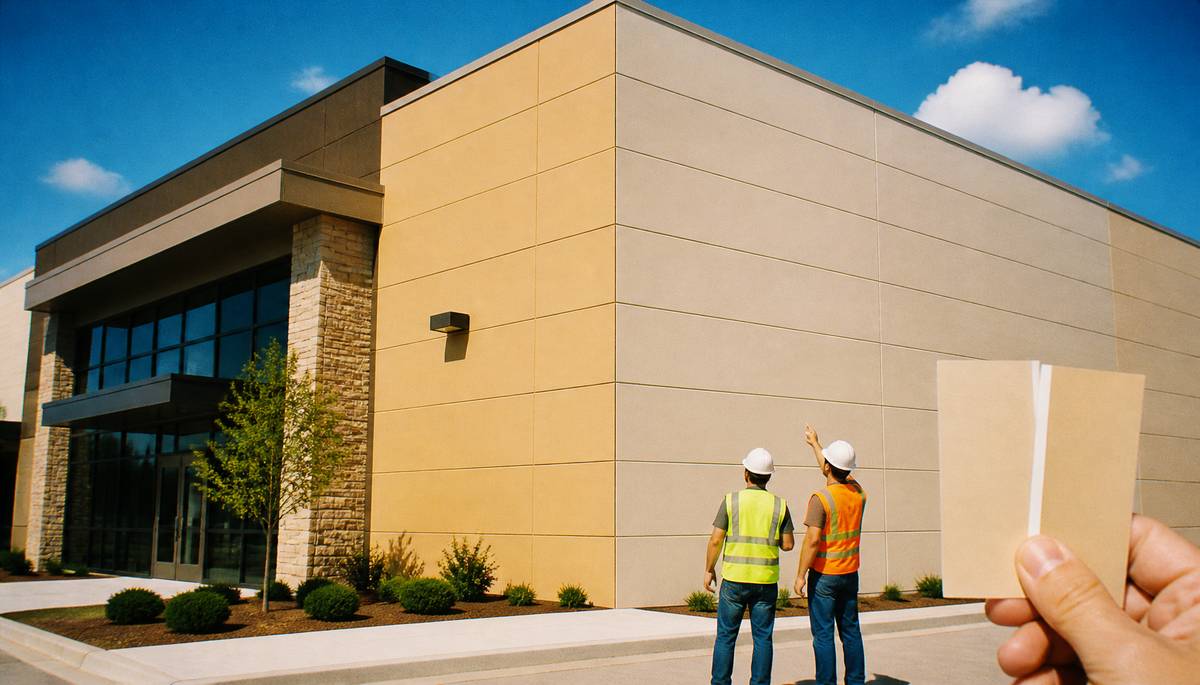 A building can survive months of difficult weather, complicated engineering and unexpected budget pressures, only to be defeated by two slightly different shades of beige. One wall looks warm and inviting. The adjoining panels look as though someone accidentally ordered the budget version of the same colour. Everyone agrees there is a difference. Nobody agrees who should pay to fix it.
Colour inconsistencies are a surprisingly expensive problem in commercial construction. Architects specify particular finishes, manufacturers produce materials to agreed standards, and contractors install them expecting visual consistency. Yet supposedly identical paints, wood stains and architectural coatings can produce noticeably different results. Understanding why these discrepancies occur is essential for avoiding costly replacements, project delays and contractual disagreements.
Why Identical Colour Codes Don't Guarantee Identical Results
A colour reference is a starting point rather than an absolute guarantee. Paint manufacturers use formulations designed to reproduce particular shades, but variations in pigments, mixing equipment, raw materials and production conditions can influence the finished appearance.Even when products meet manufacturing specifications, small differences between batches may become obvious when installed alongside one another. A slight variation that goes unnoticed on separate buildings can become painfully apparent when two panels meet at eye level.
This creates particular difficulties for large commercial developments where materials are ordered over several months. An initial batch might cover the building's entrance, while subsequent deliveries complete adjoining elevations. If those batches differ slightly, the building can develop an unintended patchwork appearance.
Contractors should therefore establish batch traceability procedures, retain production records and, wherever practical, source materials for visually continuous areas from the same manufacturing batch.
When the Surface Changes the Colour
The material beneath a coating can influence its final appearance, even when the same product is applied using identical equipment. Porous timber absorbs stains differently depending on grain structure, moisture content and species. Metal surfaces reflect light differently from wood, while variations in primers and surface preparation can affect the appearance of painted finishes.For architects specifying matching finishes across multiple materials, this presents a considerable challenge. A colour that looks excellent on a sample of aluminium might appear noticeably warmer on timber cladding. The manufacturer's colour code hasn't changed, but the visual result certainly has.
Testing finishes on the actual substrates intended for construction is therefore essential. Otherwise, the first full-scale installation may become a remarkably expensive colour experiment.
Lighting Can Make a Perfect Match Disappear
Two finishes can look identical under warehouse lighting and completely different once installed in a building. Natural daylight changes throughout the day, while artificial lighting introduces variations in colour temperature and spectral characteristics.This phenomenon, known as metamerism, occurs when two materials appear to match under one light source but differ under another. It is particularly troublesome when architectural components are manufactured by different suppliers using different pigments or coating technologies.
Colour approval should therefore involve examining physical samples under representative lighting conditions. For exterior applications, this means checking appearances in direct sunlight, shade and overcast conditions. Interior finishes should be assessed under the lighting specified for the completed building.
A conference room that looks beautifully coordinated at midday should not resemble a collection of unrelated furniture samples when someone switches on the lights.
Application Methods and the Problem of Consistency
Even perfectly matched coating formulations can produce different results depending on how they are applied. Spray equipment, roller techniques, coating thickness, drying temperatures and curing conditions all influence the finished appearance.Gloss levels are particularly important. Two surfaces with identical pigmentation but different sheen levels may appear to have different colours because they reflect light differently.
Contractors should establish clear application specifications covering surface preparation, coating thickness, equipment settings and environmental conditions. Where several subcontractors are involved, consistent procedures become especially important.
Ageing also deserves consideration. Ultraviolet exposure, moisture and environmental pollutants can gradually alter coatings. Replacement panels installed years after the original construction may therefore appear different even when manufactured to precisely the same specification.
Establishing Colour Tolerances Before Disputes Begin
Describing a finish as an "exact match" sounds reassuring but creates considerable room for disagreement. Colour perception varies between individuals, and manufacturing processes cannot always guarantee absolute visual uniformity.Commercial specifications should establish measurable colour tolerances wherever appropriate. Instruments such as spectrophotometers can quantify differences using established colour measurement systems, including Delta E values.
However, numerical tolerances should complement rather than replace visual assessment. Gloss, texture and viewing conditions can influence perceived differences that a single colour measurement does not adequately describe.
Approved physical samples, documented inspection conditions and clearly defined acceptance criteria help everyone understand what constitutes an acceptable result before production begins.
A Colourful Way to Avoid Costly Arguments
The most effective approach combines early sample approval, consistent production methods, careful batch management and inspections before installation.Project managers should ensure that suppliers retain approved reference samples and document any changes to materials or processes. Deliveries should be checked before installation, particularly where components will sit directly beside previously completed work.
Discovering a mismatch while materials remain in protective packaging is inconvenient. Discovering it after several hundred panels have been installed, scaffolding has been removed and the client has invited everyone to admire the finished building is considerably worse.
Ultimately, preventing colour disputes requires treating visual consistency as a measurable construction requirement rather than a decorative afterthought. A little attention to detail during procurement and production can prevent substantial expenditure later. After all, nobody wants a commercial construction project to finish in fifty shades of contractual disagreement.
Article kindly provided by colorsfinishing.com
Latest Articles
- When Almost Matching Colours Become Expensive Construction Mistakes
- How Master Gears Help Manufacturers Improve Quality and Reduce Costs
- Why a Plumbing Company's Google Reviews Matter More Than Its Advertising Budget in 2026
- Why Business Parks Should Think Twice Before Removing Their Mature Trees
- Why the Quietest Toilet in the Building Could Be Wasting the Most Water
- Could Someone Understand Compliance Six Months After It's Written?
- How Much CNC Capacity Is Hidden in Setup Time?
- How to Test a New Freelancer Without Handing Over Your Whole Project
- From CAD File to Finished Component: How Procurement Teams Can Avoid Custom-Part Delays
- The Repair-or-Replace Calculation: When an Older Computer Is Still Worth Saving
- Why Commercial Roof Problems Often Start as Access Problems
- The Cybersecurity Weakness Most Businesses Overlook
- Waste Audits for Small Businesses: The Simple Exercise That Can Cut Costs
- Why Fitness Goals Fail at Work but Succeed at Home
- The Hidden Cost of Guessing What Your Competitors Are Doing
- Why the Best Commercial Sites Are Designed Around Traffic Flow Before Appearance
- Designing Offices That Still Work Five Years From Now
- Why the Most Successful Commercial Landscapes Prioritise Function Before Appearance
- How Businesses Can Stay Operational During Major Refurbishment Works
- Near Misses: The Most Valuable Workplace Incidents You're Probably Ignoring
- Sales and Marketing
- Human Resources
- Finance and Accounting
- Business Consulting
- Information Technology
- Supply Chain Management
- Manufacturing and Production
- Logistics and Transportation
- Risk Management
- Project Management
- Market Research
- Business Intelligence
- Customer Relationship Management
- Product Development
- Quality Assurance
- Outsourcing Services
- Procurement and Vendor Management
- Legal and Compliance
- Business Strategy
- Operations Management
- Leadership and Management
- Data Analytics
- Innovation and R&D
- Training and Development
- Ecommerce Solutions
- Public Relations
- Advertising and Promotion
- Branding and Identity
- Business Networking
- Event Management
- Office Environment