

Why the Most Successful Commercial Landscapes Prioritise Function Before Appearance
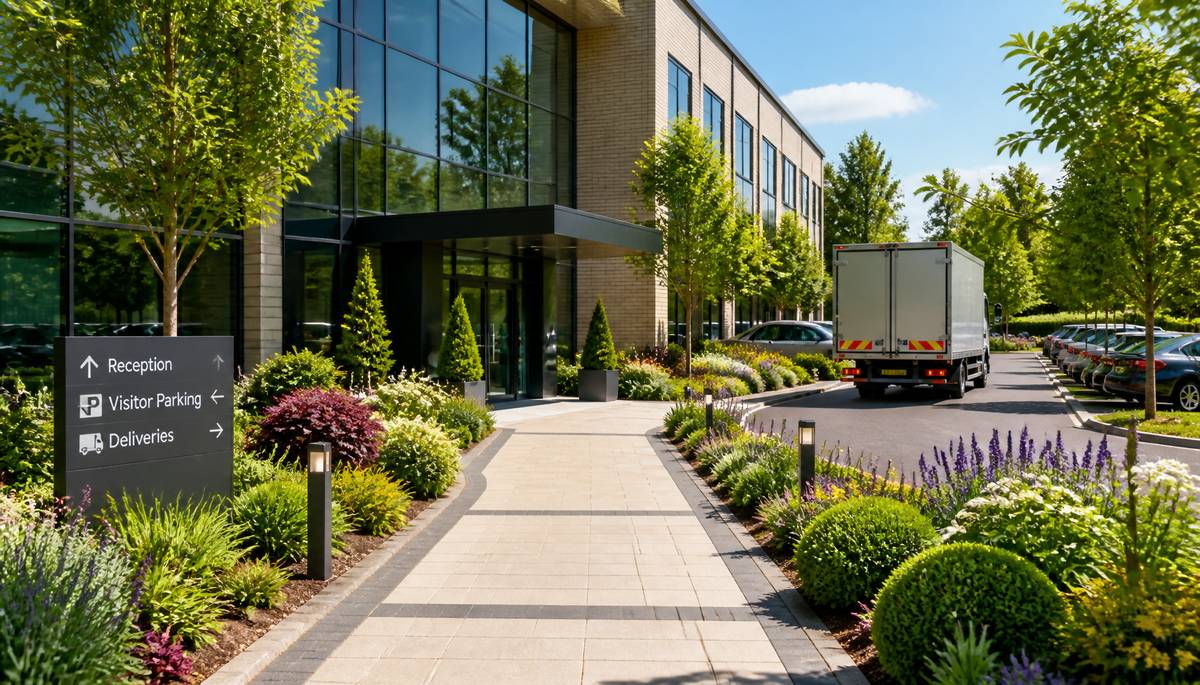 A beautiful entrance loses some of its magic when delivery drivers are reversing through the flower beds like they have entered an obstacle course.
Commercial landscaping has to do more than look polished. It needs to guide people, protect surfaces, manage water, reduce maintenance, and support the daily rhythm of the premises. The best designs usually begin with a practical question: how will this space actually be used on a wet Tuesday morning when staff are arriving, customers are parking, and someone is trying to wheel a bin past a hedge with too much confidence?
Access Comes Before Aesthetics
Access routes are one of the first things to consider because they shape almost everything else. Customers, employees, suppliers, maintenance teams, and emergency services may all need to move through the same outdoor areas, often at different speeds and with different needs.Paths should be clear, logical, and wide enough for real use rather than just architectural drawings. A narrow walkway may look elegant on paper, but if two people cannot pass each other without performing a small sideways dance, it is not doing its job.
Good commercial landscape design considers entrances, exits, parking areas, loading zones, pedestrian routes, disabled access, and service points before decorative planting begins. Once these routes are right, the landscaping can frame and enhance them instead of getting in the way.
Drainage Is Not Glamorous Until It Fails
Drainage rarely gets applause, but it deserves respect. Poor water management can damage paving, create slippery surfaces, flood planting beds, undermine walls, and leave customers stepping around puddles like they are crossing a tiny business-themed lake.A successful commercial landscape should move water away from buildings, entrances, walkways, and high-traffic areas. This may involve grading, permeable surfaces, drainage channels, soakaways, or carefully planned planting zones. The aim is simple: outdoor spaces should remain usable after rain, not become a temporary water feature nobody ordered.
For business owners, drainage is also a financial issue. Water damage can lead to repairs, disruption, safety concerns, and higher maintenance costs. Handling it early is usually far cheaper than pretending puddles are part of the brand identity.
Safety Shapes Trust
A commercial exterior sends a message before anyone reaches reception. Uneven paving, dark corners, overgrown shrubs, loose gravel, and slippery paths can make premises feel neglected, even when the business inside is highly professional.Functional landscaping reduces risks by improving visibility, defining walkways, choosing suitable surfaces, and keeping planting under control. Lighting matters too. It should help people see where they are going without making the entrance feel like an interrogation room.
Maintenance Should Be Designed In, Not Added Later
A landscape may look spectacular during the first week after installation, but commercial properties need to perform year after year. That means maintenance should be considered from the earliest planning stages rather than becoming an afterthought once everything has been planted.Selecting hardy plants suited to the local climate, choosing durable paving materials, and allowing easy access for mowing, pruning, cleaning, and repairs all reduce ongoing costs. Features that require constant attention may appear impressive initially, but they can quickly become a burden if they demand more time than the facilities team can realistically provide.
Thoughtful planning also helps avoid awkward situations where a maintenance contractor needs to carry equipment across decorative planting just to reach a small patch of grass. Landscapes should work with the people maintaining them instead of setting daily challenges that resemble an outdoor puzzle.
Where irrigation is required, it should be designed efficiently and with future servicing in mind. Hidden pipework, accessible controls, and sensible zoning make ongoing maintenance far easier than systems installed purely to disappear from view.
Visitor Flow Makes Every Journey Feel Natural
People rarely stop to admire good visitor flow because it simply feels effortless. Guests instinctively know where to park, where to walk, and which entrance to use. That quiet efficiency is the result of careful planning rather than coincidence.Commercial landscapes should gently guide movement through positioning, paving, planting, lighting, and signage. Open sightlines help visitors feel confident about where they are heading, while clearly defined routes reduce unnecessary wandering across lawns or landscaped areas.
Businesses with frequent deliveries should also consider how service vehicles interact with customer spaces. Separating these movements where possible improves both safety and appearance. A delivery lorry squeezing past visitors enjoying a pleasant entrance courtyard is memorable for reasons nobody intended.
When pedestrian routes and vehicle access complement each other, the entire property operates more smoothly. Employees arrive with less frustration, customers experience fewer obstacles, and maintenance teams can carry out their work with minimal disruption.
Grounds for Success
Outstanding commercial landscapes are rarely remembered because of a single striking feature. Instead, they leave visitors with an overall impression that everything feels organised, welcoming, and easy to navigate. Attractive planting, quality materials, and creative design certainly have their place, but they achieve far more when supported by practical foundations.Businesses that prioritise access, drainage, safety, maintenance, and visitor flow before focusing on decorative elements often enjoy outdoor spaces that continue performing well throughout every season. Appearance should never be ignored, but it becomes far more convincing when every path, planting bed, and paved area serves a genuine purpose. A landscape that works effortlessly every day is one that quietly earns its keep long after the planting has matured.
Article kindly provided by kairoslandscapes.com
Latest Articles
- Why the Quietest Toilet in the Building Could Be Wasting the Most Water
- Could Someone Understand Compliance Six Months After It's Written?
- How Much CNC Capacity Is Hidden in Setup Time?
- How to Test a New Freelancer Without Handing Over Your Whole Project
- From CAD File to Finished Component: How Procurement Teams Can Avoid Custom-Part Delays
- The Repair-or-Replace Calculation: When an Older Computer Is Still Worth Saving
- Why Commercial Roof Problems Often Start as Access Problems
- The Cybersecurity Weakness Most Businesses Overlook
- Waste Audits for Small Businesses: The Simple Exercise That Can Cut Costs
- Why Fitness Goals Fail at Work but Succeed at Home
- The Hidden Cost of Guessing What Your Competitors Are Doing
- Why the Best Commercial Sites Are Designed Around Traffic Flow Before Appearance
- Designing Offices That Still Work Five Years From Now
- Why the Most Successful Commercial Landscapes Prioritise Function Before Appearance
- How Businesses Can Stay Operational During Major Refurbishment Works
- Near Misses: The Most Valuable Workplace Incidents You're Probably Ignoring
- Choosing the Right Lifting Method Before Choosing the Equipment
- Why Visitors Ignore Half Your Homepage Within Three Seconds
- Why Most Cybersecurity Conversations Ignore the Biggest Vulnerability: Everyday Workflow Habits
- What Your Workplace Is Communicating Before Anyone Says a Word
- Sales and Marketing
- Human Resources
- Finance and Accounting
- Business Consulting
- Information Technology
- Supply Chain Management
- Manufacturing and Production
- Logistics and Transportation
- Risk Management
- Project Management
- Market Research
- Business Intelligence
- Customer Relationship Management
- Product Development
- Quality Assurance
- Outsourcing Services
- Procurement and Vendor Management
- Legal and Compliance
- Business Strategy
- Operations Management
- Leadership and Management
- Data Analytics
- Innovation and R&D
- Training and Development
- Ecommerce Solutions
- Public Relations
- Advertising and Promotion
- Branding and Identity
- Business Networking
- Event Management
- Office Environment