

The Valuable Materials Hiding in Everyday Electronics
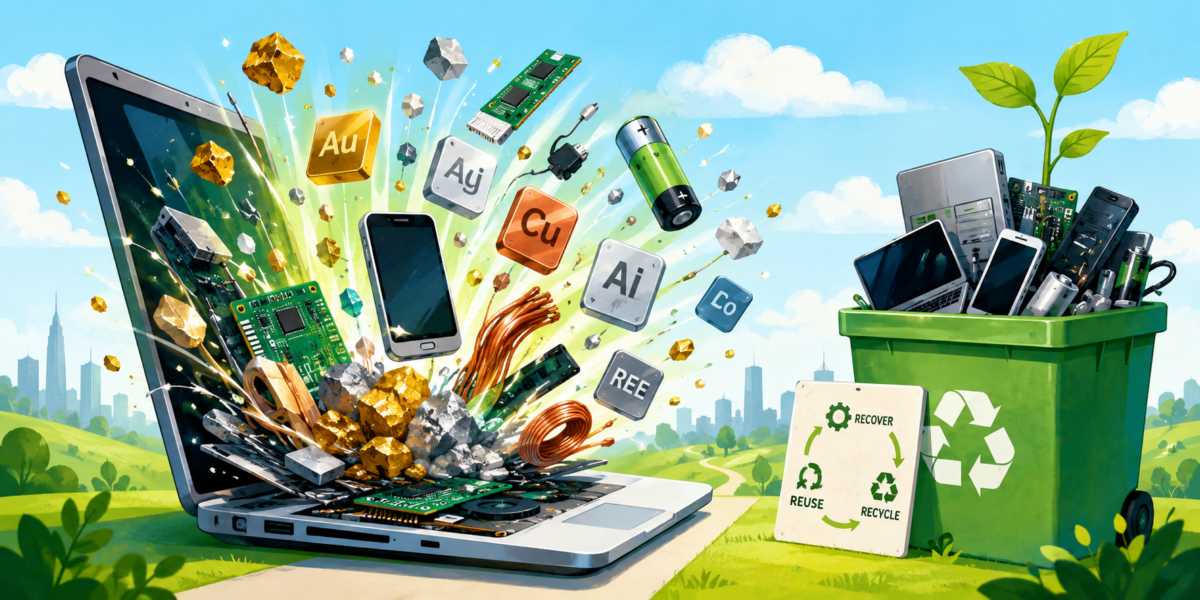 A retired laptop is less like rubbish and more like a tiny, dusty treasure chest with a broken hinge.
Old phones, computers, tablets, servers, routers, monitors, printers, and assorted mystery cables may look like the leftovers of modern life, but many of them contain materials that took serious mining, processing, transport, and energy to produce. When these devices are shoved into drawers or dumped incorrectly, useful resources are left stranded. Some are common, some are rare, and some have names that sound as if they belong in a science-fiction villain's toolkit.
What Is Actually Inside Your Old Tech?
Everyday electronics contain a mixture of plastics, glass, ceramics, circuit boards, batteries, wiring, magnets, and metals. A smartphone, despite being small enough to lose between sofa cushions, can contain copper, aluminium, gold, silver, palladium, nickel, cobalt, lithium, tin, and rare earth elements.Laptops and desktop computers often contain larger quantities of aluminium, steel, copper, circuit boards, hard drives, memory modules, and power supplies. Servers can be even more material-rich because they are built for performance, cooling, storage, and constant use. They are basically the gym enthusiasts of the electronics world, except they lift data instead of weights.
Gold is often used in small amounts on connectors because it resists corrosion and conducts electricity well. Copper carries power and signals. Aluminium keeps devices lighter and helps with heat management. Lithium, cobalt, and nickel are commonly associated with rechargeable batteries. Rare earth elements can be found in components such as speakers, vibration motors, displays, and hard drive magnets.
Why E-Waste Is Called Urban Mining
Mining usually makes people think of huge machines, deep pits, and hard hats. Urban mining is different. It means recovering valuable materials from products that already exist in homes, offices, schools, hospitals, warehouses, and server rooms.This matters because electronic devices concentrate useful materials in one place. A pile of old circuit boards can contain recoverable metals that would otherwise need to be extracted from the ground. That does not make recycling effortless or magical. Nobody waves a magnet over a keyboard and produces a gold bar, sadly. The process requires specialist handling, careful separation, and proper treatment.
Still, the idea is powerful. Instead of constantly relying on newly mined raw materials, society can recover some of what it has already produced. That reduces waste, supports resource security, and helps keep hazardous components away from general rubbish streams.
How Valuable Materials Are Recovered
The journey from discarded gadget to reusable resource involves several stages. First, electronic items are collected and sorted. Devices that can be refurbished or reused may be separated from those that have reached the end of their useful lives.Items destined for recycling are typically dismantled. Batteries, cables, circuit boards, metal casings, plastics, and other components are removed and sorted into different material streams. This stage is important because electronics are complex products made from many different substances, each requiring a specific recycling process.
Metals are often recovered through a combination of mechanical and industrial techniques. Shredding systems break equipment into smaller pieces, while magnets, air separation systems, and other technologies help isolate different materials. Precious metals are usually extracted through specialist refining processes that recover valuable elements from circuit boards and electronic components.
Some materials can be recycled repeatedly without significant loss of quality. Aluminium and copper are notable examples. Recovering these metals generally requires far less energy than producing them from raw ore, making recycling beneficial from both economic and environmental perspectives.
Not every component can be recovered perfectly, and some materials remain difficult to recycle efficiently. However, advances in recycling technology continue to improve recovery rates and make more materials economically viable to reclaim.
Why Responsible Recycling Matters
Electronic waste is one of the fastest-growing waste streams in the world. As devices become more powerful and product cycles become shorter, the volume of discarded electronics continues to increase.When e-waste is disposed of improperly, valuable resources can be lost forever. Worse still, certain components may contain substances that require careful handling. Batteries, for example, can present fire risks if damaged or processed incorrectly. Some older electronic equipment may contain materials that should not enter ordinary landfill environments.
Responsible recycling helps address both problems. It allows useful materials to be recovered while ensuring potentially hazardous components are managed safely. This approach reduces pressure on natural resources and helps minimise environmental impacts associated with extraction and manufacturing.
There is also a data security aspect. Many computers, servers, smartphones, and storage devices contain personal or business information. Proper recycling processes often include secure data destruction measures before materials enter recovery streams. A forgotten hard drive can contain far more drama than anyone remembers.
Closing the Loop Without Short-Circuiting the Future
The circular economy aims to keep products, components, and materials in use for as long as possible. Instead of following a simple pattern of manufacture, use, and disposal, the goal is to create systems where resources circulate through repair, refurbishment, reuse, and recycling.Electronics play an important role in this model. A device that can no longer perform its original function may still contain materials with significant value. Recovering those resources helps reduce waste and decreases demand for newly extracted raw materials.
Every forgotten smartphone in a drawer, every obsolete server in a storage room, and every ageing laptop gathering dust represents more than yesterday's technology. Hidden inside are metals and materials that took considerable effort to obtain in the first place. Treating electronic waste as a resource rather than a nuisance allows those materials to continue contributing to new products and new technologies.
Modern electronics may eventually stop charging, stop connecting, or stop cooperating altogether, but many of the materials inside them still have plenty of useful life left. The challenge is making sure they get a second chance instead of spending the next decade sharing a box with tangled cables and a charger that nobody can identify.
Article kindly provided by northamptonshireewaste.co.uk
Latest Articles
- Why a Plumbing Company's Google Reviews Matter More Than Its Advertising Budget in 2026
- Why Business Parks Should Think Twice Before Removing Their Mature Trees
- Why the Quietest Toilet in the Building Could Be Wasting the Most Water
- Could Someone Understand Compliance Six Months After It's Written?
- How Much CNC Capacity Is Hidden in Setup Time?
- How to Test a New Freelancer Without Handing Over Your Whole Project
- From CAD File to Finished Component: How Procurement Teams Can Avoid Custom-Part Delays
- The Repair-or-Replace Calculation: When an Older Computer Is Still Worth Saving
- Why Commercial Roof Problems Often Start as Access Problems
- The Cybersecurity Weakness Most Businesses Overlook
- Waste Audits for Small Businesses: The Simple Exercise That Can Cut Costs
- Why Fitness Goals Fail at Work but Succeed at Home
- The Hidden Cost of Guessing What Your Competitors Are Doing
- Why the Best Commercial Sites Are Designed Around Traffic Flow Before Appearance
- Designing Offices That Still Work Five Years From Now
- Why the Most Successful Commercial Landscapes Prioritise Function Before Appearance
- How Businesses Can Stay Operational During Major Refurbishment Works
- Near Misses: The Most Valuable Workplace Incidents You're Probably Ignoring
- Choosing the Right Lifting Method Before Choosing the Equipment
- Why Visitors Ignore Half Your Homepage Within Three Seconds
- Sales and Marketing
- Human Resources
- Finance and Accounting
- Business Consulting
- Information Technology
- Supply Chain Management
- Manufacturing and Production
- Logistics and Transportation
- Risk Management
- Project Management
- Market Research
- Business Intelligence
- Customer Relationship Management
- Product Development
- Quality Assurance
- Outsourcing Services
- Procurement and Vendor Management
- Legal and Compliance
- Business Strategy
- Operations Management
- Leadership and Management
- Data Analytics
- Innovation and R&D
- Training and Development
- Ecommerce Solutions
- Public Relations
- Advertising and Promotion
- Branding and Identity
- Business Networking
- Event Management
- Office Environment