

How Businesses Can Stay Operational During Major Refurbishment Works
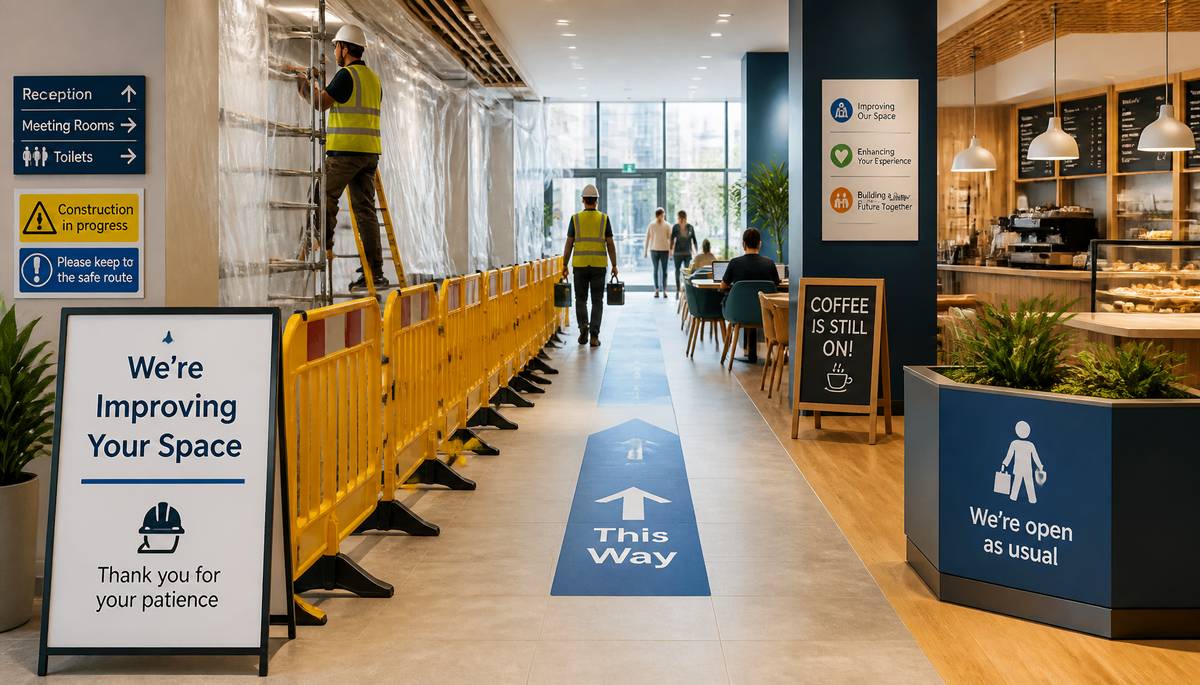 A refurbishment project can make a workplace better, smarter, safer, and more profitable, but only if the business survives the process without turning into a live-action obstacle course.
For many commercial premises, closing completely during major works is simply not realistic. Shops need customers, offices need staff, clinics need appointments, and restaurants need something slightly more appealing than "today's special: dust with a side of drilling." The good news is that refurbishment does not always require shutting the doors. With careful planning, phased work, clear communication, and strong site controls, businesses can keep operating while improvements are carried out around them.
Plan the Works Around the Business, Not the Other Way Round
The first mistake many businesses make is treating the refurbishment schedule as something separate from daily operations. It is not. A commercial renovation should be planned around opening hours, peak trading periods, staff routines, delivery times, customer movement, and essential services.Before work begins, identify the parts of the business that absolutely must remain functional. This might include reception areas, payment systems, stock rooms, kitchens, meeting rooms, customer toilets, IT infrastructure, or access routes. Once these are mapped out, the project can be divided into phases that protect business-critical areas while allowing steady progress.
For example, a retail refurbishment might begin with back-office areas before moving to the shop floor in sections. An office might complete one department at a time, using temporary workstations elsewhere. A hospitality venue might schedule noisy works outside service hours and reserve quieter tasks for trading periods. None of this happens by accident. It happens because someone has looked at the calendar before the first hammer starts auditioning for a percussion solo.
Use Phasing to Avoid Total Disruption
Phasing is the art of breaking a major project into manageable sections. Instead of trying to refurbish everything at once, work is completed zone by zone. This allows customers and staff to keep using safe, clearly defined parts of the premises.A strong phasing plan should explain:
- Which areas will be worked on first
- Which areas will remain open
- How people will move through the building safely
- When noisy, dusty, or disruptive tasks will happen
- How each completed phase will be handed back into use
Protect Customers and Staff at Every Stage
Keeping the doors open only works if safety remains non-negotiable. Clear barriers, signage, dust control, secure storage of materials, safe temporary walkways, and proper separation between workers and the public are essential.Staff also need to know what is changing each day. A quick daily briefing can prevent confusion, reduce complaints, and stop employees from confidently sending customers towards a corridor that became a plasterboard mountain overnight.
Communication Can Save More Than Time
Good communication often determines whether customers accept temporary inconvenience or decide to take their business elsewhere. People are generally understanding when they know what is happening, why it is happening, and how long it is expected to last.Simple notices at entrances, regular updates on social media, email newsletters, and signs inside the premises all help to manage expectations. If access routes change, explain them clearly. If parking is temporarily affected, say so in advance. If certain facilities will be unavailable for a few days, honesty usually earns more goodwill than hoping nobody notices.
Internal communication deserves just as much attention. Employees who understand the refurbishment programme are more confident when answering customer questions and less likely to spread conflicting information. A single point of contact for updates can prevent rumours from travelling faster than the contractors.
Reduce Noise Without Reducing Productivity
Some disruption is unavoidable during major building work, but it can often be managed rather than endured. Activities such as demolition, heavy drilling, and structural alterations can frequently be scheduled before opening hours, after closing, or during quieter trading periods.Meanwhile, less disruptive work such as decorating, installing fixtures, or completing electrical finishing can often take place while the business remains fully operational. Flexible working arrangements may also help office-based organisations. Allowing some employees to work remotely or relocate temporarily can reduce overcrowding and improve concentration while refurbishment progresses.
Productivity also depends on maintaining reliable utilities. Internet access, power supplies, heating, lighting, and essential equipment should never be treated as afterthoughts. Temporary services should be planned before existing systems are disconnected rather than after someone discovers the payment terminals have become attractive paperweights.
Work Closely With Experienced Contractors
Not every contractor is suited to projects involving occupied commercial premises. Refurbishing an empty building is very different from working around customers, employees, deliveries, and normal business activities.Experienced commercial contractors understand the importance of maintaining safe access, minimising disruption, controlling dust and noise, and adjusting schedules when operational needs change. Regular progress meetings allow both sides to identify issues early before small inconveniences become significant delays.
Flexibility also matters. Unexpected discoveries behind walls or beneath floors are common during refurbishment projects. A contractor who communicates quickly and proposes practical alternatives helps keep both the project and the business moving forward.
Open for Improvement
Remaining operational during a commercial refurbishment requires organisation, patience, and realistic expectations, but it is entirely achievable. Careful phasing, thorough planning, clear communication, and strong health and safety practices allow businesses to continue serving customers while investing in their future.The temporary inconvenience of building work is often outweighed by the long-term benefits of improved facilities, greater efficiency, and a more attractive environment for both staff and visitors. When everyone understands the plan and each stage is carefully managed, the refurbishment becomes less of an interruption and more of a controlled transition. The doors stay open, the business keeps moving, and once the final protective barrier comes down, customers can enjoy the finished result without ever having needed a hard hat to pay the invoice.
Article kindly provided by homerenovationserviceslondon.co.uk
Latest Articles
- Could Someone Understand Compliance Six Months After It's Written?
- How Much CNC Capacity Is Hidden in Setup Time?
- How to Test a New Freelancer Without Handing Over Your Whole Project
- From CAD File to Finished Component: How Procurement Teams Can Avoid Custom-Part Delays
- The Repair-or-Replace Calculation: When an Older Computer Is Still Worth Saving
- Why Commercial Roof Problems Often Start as Access Problems
- The Cybersecurity Weakness Most Businesses Overlook
- Waste Audits for Small Businesses: The Simple Exercise That Can Cut Costs
- Why Fitness Goals Fail at Work but Succeed at Home
- The Hidden Cost of Guessing What Your Competitors Are Doing
- Why the Best Commercial Sites Are Designed Around Traffic Flow Before Appearance
- Designing Offices That Still Work Five Years From Now
- Why the Most Successful Commercial Landscapes Prioritise Function Before Appearance
- How Businesses Can Stay Operational During Major Refurbishment Works
- Near Misses: The Most Valuable Workplace Incidents You're Probably Ignoring
- Choosing the Right Lifting Method Before Choosing the Equipment
- Why Visitors Ignore Half Your Homepage Within Three Seconds
- Why Most Cybersecurity Conversations Ignore the Biggest Vulnerability: Everyday Workflow Habits
- What Your Workplace Is Communicating Before Anyone Says a Word
- Planning an Office Renovation? Why Drywall Decisions Impact More Than Just the Walls
- Sales and Marketing
- Human Resources
- Finance and Accounting
- Business Consulting
- Information Technology
- Supply Chain Management
- Manufacturing and Production
- Logistics and Transportation
- Risk Management
- Project Management
- Market Research
- Business Intelligence
- Customer Relationship Management
- Product Development
- Quality Assurance
- Outsourcing Services
- Procurement and Vendor Management
- Legal and Compliance
- Business Strategy
- Operations Management
- Leadership and Management
- Data Analytics
- Innovation and R&D
- Training and Development
- Ecommerce Solutions
- Public Relations
- Advertising and Promotion
- Branding and Identity
- Business Networking
- Event Management
- Office Environment