

How Master Gears Help Manufacturers Improve Quality and Reduce Costs
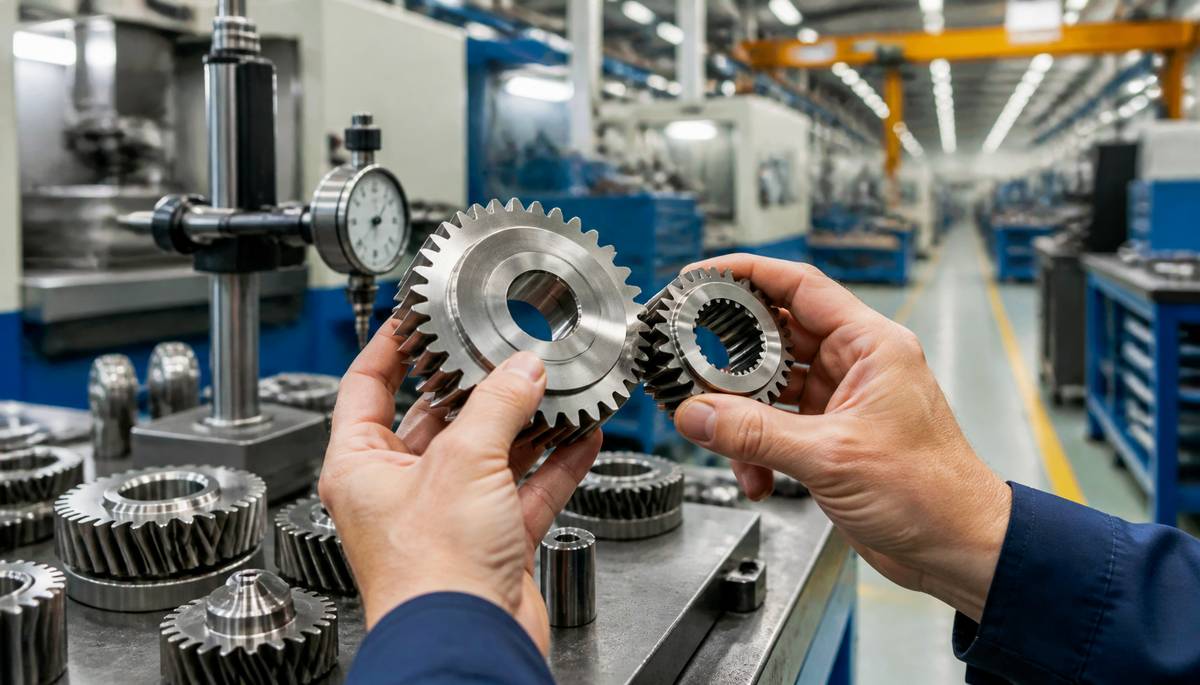 In modern manufacturing, precision and consistency are essential. Whether producing automotive components, aerospace equipment or industrial machinery, manufacturers must ensure that every part meets the required quality standards.
Even small manufacturing errors can lead to expensive consequences, including wasted materials, production delays, equipment failures and dissatisfied customers.
One important tool that helps manufacturers maintain high standards is the master gear. Although relatively unfamiliar outside the engineering industry, master gears play a valuable role in quality control, helping businesses improve manufacturing accuracy, reduce waste and maintain consistent production.
What Are Master Gears?
Master gears are specially manufactured precision gears used to check the accuracy of other gears during production.Gears are found in countless mechanical systems, from vehicle transmissions and industrial machinery to specialist equipment used in aerospace and other advanced industries.
For these components to operate correctly, they must be manufactured to exacting standards. Small variations in their shape or dimensions can affect how smoothly and reliably they function.
A master gear acts as a highly accurate reference. By testing a manufactured gear against a master gear, engineers can identify certain irregularities that might otherwise go unnoticed.
This provides manufacturers with a practical way to monitor product quality and identify potential problems before components reach customers.
Why Is Gear Accuracy Important?
The accuracy of manufactured gears can have a significant impact on the performance and reliability of machinery.Poorly manufactured gears may cause excessive noise, vibration, premature wear or reduced operating efficiency. In demanding applications, such problems can also contribute to equipment breakdowns and costly repairs.
For businesses manufacturing mechanical components, maintaining consistent quality is therefore essential.
Accurate gear production helps manufacturers:
- Improve the reliability and performance of finished products.
- Reduce the risk of defective components reaching customers.
- Maintain consistent quality across production batches.
- Minimise unnecessary waste and rework.
- Meet demanding customer and industry specifications.
How Master Gears Improve Manufacturing Efficiency
One of the biggest challenges facing manufacturers is identifying production problems as early as possible.If a defective component is discovered immediately after manufacture, it may be possible to correct the problem before additional time and resources are wasted.
However, if the same defect goes undetected until final assembly or after delivery, the financial consequences can be considerably greater.
Master gear inspection allows manufacturers to check the accuracy of suitable gear components efficiently.
By regularly inspecting production gears against a precision master gear, businesses can identify irregularities and monitor consistency.
This can provide several commercial benefits.
1. Reduced Manufacturing Waste
Detecting errors earlier helps prevent defective components from progressing through additional manufacturing stages.This can reduce wasted materials, unnecessary processing and associated production costs.
2. Improved Product Quality
Regular inspection helps manufacturers maintain consistent standards and identify variations that could affect product performance.This is particularly important for businesses supplying industries with strict quality requirements.
3. Lower Production Costs
By reducing scrap, rework and avoidable production problems, effective quality control can contribute to improved operational efficiency and profitability.4. Greater Customer Confidence
Businesses that consistently deliver accurately manufactured components are better positioned to build long-term customer relationships.Reliable quality control also helps manufacturers demonstrate their commitment to meeting customer specifications.
Industries That Benefit from Master Gear Inspection
Master gears are used across a range of manufacturing industries where accurate mechanical components are essential.- Automotive manufacturing: Vehicle transmissions, differentials and other drivetrain systems rely on accurately manufactured gears. Inspection helps maintain consistency and reliability.
- Aerospace engineering: Aerospace manufacturers often work to demanding quality standards, making accurate measurement and inspection particularly important.
- Industrial machinery: Manufacturers of gearboxes, machine tools and power transmission equipment use precision inspection methods to support reliable operation.
- Precision engineering: Specialist engineering businesses benefit from accurate inspection when producing high-quality components for demanding applications.
Choosing a Reliable Master Gear Manufacturer
The effectiveness of master gear inspection depends on the quality and accuracy of the master gear itself.Because these components are used as precision references, they must be manufactured to particularly high standards.
Businesses should look for suppliers with specialist engineering expertise, appropriate manufacturing capabilities and experience producing precision inspection equipment.
UK-based Spline Gauges Ltd specialises in the manufacture of precision master gears and spline gauges for engineering and manufacturing applications.
The company supplies master gears in a range of configurations, including spur, helical, internal and external designs, helping manufacturers meet their individual inspection requirements.
Working with an experienced supplier can help businesses select appropriate inspection equipment and maintain confidence in their quality control processes.
Supporting Better Manufacturing Standards
As manufacturers face increasing pressure to improve efficiency, control costs and deliver consistently high-quality products, effective inspection remains an important part of the production process.Master gears may be relatively small components, but their contribution to manufacturing quality can be significant.
By helping businesses identify errors, maintain consistency and reduce avoidable waste, precision master gears support more efficient and reliable manufacturing.
For companies producing gears and other precision-engineered components, investing in appropriate quality control equipment is an important step towards maintaining high standards and remaining competitive.
Article kindly provided by splinegauges.com
Latest Articles
- When Almost Matching Colours Become Expensive Construction Mistakes
- How Master Gears Help Manufacturers Improve Quality and Reduce Costs
- Why a Plumbing Company's Google Reviews Matter More Than Its Advertising Budget in 2026
- Why Business Parks Should Think Twice Before Removing Their Mature Trees
- Why the Quietest Toilet in the Building Could Be Wasting the Most Water
- Could Someone Understand Compliance Six Months After It's Written?
- How Much CNC Capacity Is Hidden in Setup Time?
- How to Test a New Freelancer Without Handing Over Your Whole Project
- From CAD File to Finished Component: How Procurement Teams Can Avoid Custom-Part Delays
- The Repair-or-Replace Calculation: When an Older Computer Is Still Worth Saving
- Why Commercial Roof Problems Often Start as Access Problems
- The Cybersecurity Weakness Most Businesses Overlook
- Waste Audits for Small Businesses: The Simple Exercise That Can Cut Costs
- Why Fitness Goals Fail at Work but Succeed at Home
- The Hidden Cost of Guessing What Your Competitors Are Doing
- Why the Best Commercial Sites Are Designed Around Traffic Flow Before Appearance
- Designing Offices That Still Work Five Years From Now
- Why the Most Successful Commercial Landscapes Prioritise Function Before Appearance
- How Businesses Can Stay Operational During Major Refurbishment Works
- Near Misses: The Most Valuable Workplace Incidents You're Probably Ignoring
- Sales and Marketing
- Human Resources
- Finance and Accounting
- Business Consulting
- Information Technology
- Supply Chain Management
- Manufacturing and Production
- Logistics and Transportation
- Risk Management
- Project Management
- Market Research
- Business Intelligence
- Customer Relationship Management
- Product Development
- Quality Assurance
- Outsourcing Services
- Procurement and Vendor Management
- Legal and Compliance
- Business Strategy
- Operations Management
- Leadership and Management
- Data Analytics
- Innovation and R&D
- Training and Development
- Ecommerce Solutions
- Public Relations
- Advertising and Promotion
- Branding and Identity
- Business Networking
- Event Management
- Office Environment