

Landscape Design as Infrastructure: How Outdoor Spaces Influence Business Performance
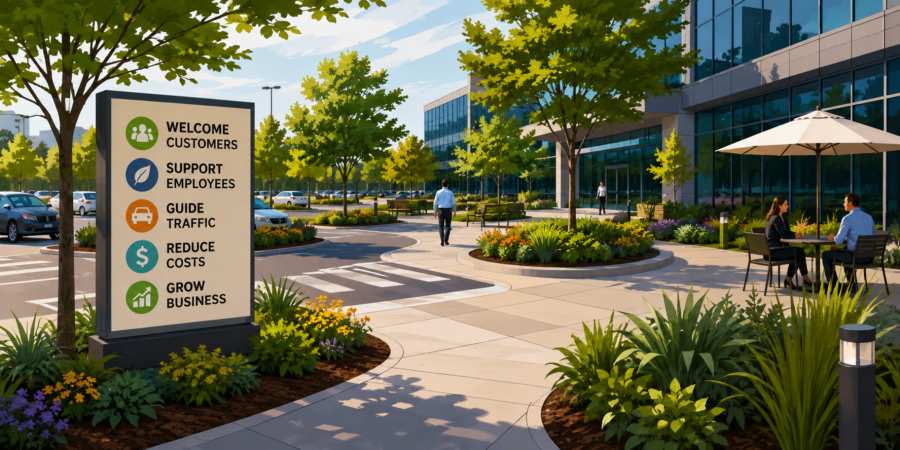 A parking lot can tell a story before reception ever gets the chance. Cracked walkways, confused traffic flow, and shrubs staging a slow-motion rebellion against the sidewalk send messages that no marketing department approved. Outdoor spaces do more than frame a building. They quietly shape how a business operates, how people behave, and how long problems are allowed to grow roots.
Landscape design often gets treated as decorative frosting. Pleasant to have, easy to postpone, and frequently discussed after more dramatic budget conversations involving software, staffing, or equipment. Yet outdoor environments behave more like infrastructure than ornamentation. They influence movement, safety, productivity, maintenance costs, and public perception in ways that deserve a seat at the operational table.
First Impressions Start Before the Front Door
Customers, clients, tenants, and business partners make decisions quickly. Research on environmental psychology continues to show that physical surroundings affect trust, comfort, and expectations. A thoughtfully designed exterior creates signals of organization and competence long before anyone reads a brochure or hears a sales pitch.This does not require extravagant fountains or hedges trimmed into the shape of motivational speakers. Effective commercial landscapes prioritize clarity and usability.
- Visible entrances and signage
- Clean pedestrian routes
- Balanced greenery without obstructing access
- Lighting integrated with plant placement
- Consistent maintenance standards
Serious businesses understand that perception carries financial weight. Office parks competing for tenants, retail centers encouraging repeat traffic, and healthcare facilities aiming to reduce visitor stress all benefit from environments that feel intentional rather than accidental.
Outdoor Design and Employee Wellbeing
Employees spend large portions of their week surrounded by walls, screens, and meetings that somehow generate additional meetings. Outdoor design provides a practical counterbalance.Access to green space has been linked to reduced stress and improved concentration. Seating areas, shaded walkways, and visually appealing landscapes encourage employees to step outside, recharge, and return with greater focus. Even modest green infrastructure can support morale.
This is not merely a wellness talking point.
Businesses managing workforce retention and productivity face increasingly complex pressures. Functional outdoor environments contribute to workplace satisfaction by creating areas for informal conversation, breaks, and mental recovery. A lunch consumed beside healthy landscaping tends to feel more restorative than one spent next to a delivery dumpster negotiating territorial rights with seagulls.
Traffic Flow Is Not an Accident
Poorly planned outdoor spaces create friction that businesses eventually pay for in time, maintenance, and frustration. Landscape design plays a direct role in how vehicles and pedestrians move through commercial properties.Traffic flow affects more than convenience. Delivery schedules, customer safety, emergency access, and parking efficiency all depend on site planning. Trees, islands, pathways, and planting beds should guide movement instead of competing with it.
A delivery truck attempting an eleven-point turn beside decorative landscaping is not demonstrating operational excellence. It is demonstrating that someone underestimated turning radiuses and overestimated optimism.
Serious landscape planning considers circulation patterns from the beginning. Entrances and exits need visibility. Pedestrian paths should feel obvious and safe. Parking layouts must work alongside landscaping rather than fighting it in a passive-aggressive struggle involving curbs and side mirrors.
Businesses with high visitor volume, multiple tenants, or regular service traffic particularly benefit from coordinated site design. Small improvements in movement and accessibility can reduce congestion and create smoother daily operations.
Maintenance Planning Starts on the Drawing Board
One of the most overlooked aspects of commercial landscape design is long-term maintenance.An attractive installation that demands excessive labor or constant repair becomes an operational burden. Strategic landscaping considers upkeep from the start rather than treating maintenance as somebody else's future headache.
Plant selection matters. Native or climate-appropriate species generally require less intervention and adapt more successfully to local conditions. Irrigation systems, drainage planning, and growth expectations should align with realistic maintenance resources.
This section deserves a serious tone because neglected landscapes carry measurable consequences.
Overgrown vegetation can reduce visibility and create safety concerns. Poor drainage may damage walkways and foundations. Deferred maintenance often increases costs as manageable issues develop into larger problems. Businesses operating across multiple locations are especially vulnerable to inconsistent exterior standards that dilute brand reliability and create avoidable expenses.
Intentional design reduces these risks. Infrastructure planning and landscape planning belong in the same conversation.
Putting Down Strong Roots
Outdoor spaces influence business performance whether organizations plan for it or not. The difference lies in whether that influence works for the business or quietly works against it.Landscaping should not be viewed as a decorative afterthought attached to the edge of operations. It functions as part of the operational environment itself, shaping customer impressions, supporting employee wellbeing, guiding movement, and affecting maintenance demands over time.
Companies invest heavily in technology, branding, and workplace strategy because they understand environments affect outcomes. Outdoor spaces deserve the same level of practical consideration. When designed intentionally, landscapes stop being background scenery and become working assets that support long-term goals with surprising efficiency.
Grass may not attend board meetings or contribute to quarterly forecasts, but a well-designed landscape often works harder than it gets credit for. And unlike certain office printers, it rarely waits until the worst possible moment to declare total rebellion.
Article kindly provided by spartanburgtreeandlawn.com
Latest Articles
- Why the Quietest Toilet in the Building Could Be Wasting the Most Water
- Could Someone Understand Compliance Six Months After It's Written?
- How Much CNC Capacity Is Hidden in Setup Time?
- How to Test a New Freelancer Without Handing Over Your Whole Project
- From CAD File to Finished Component: How Procurement Teams Can Avoid Custom-Part Delays
- The Repair-or-Replace Calculation: When an Older Computer Is Still Worth Saving
- Why Commercial Roof Problems Often Start as Access Problems
- The Cybersecurity Weakness Most Businesses Overlook
- Waste Audits for Small Businesses: The Simple Exercise That Can Cut Costs
- Why Fitness Goals Fail at Work but Succeed at Home
- The Hidden Cost of Guessing What Your Competitors Are Doing
- Why the Best Commercial Sites Are Designed Around Traffic Flow Before Appearance
- Designing Offices That Still Work Five Years From Now
- Why the Most Successful Commercial Landscapes Prioritise Function Before Appearance
- How Businesses Can Stay Operational During Major Refurbishment Works
- Near Misses: The Most Valuable Workplace Incidents You're Probably Ignoring
- Choosing the Right Lifting Method Before Choosing the Equipment
- Why Visitors Ignore Half Your Homepage Within Three Seconds
- Why Most Cybersecurity Conversations Ignore the Biggest Vulnerability: Everyday Workflow Habits
- What Your Workplace Is Communicating Before Anyone Says a Word
- Sales and Marketing
- Human Resources
- Finance and Accounting
- Business Consulting
- Information Technology
- Supply Chain Management
- Manufacturing and Production
- Logistics and Transportation
- Risk Management
- Project Management
- Market Research
- Business Intelligence
- Customer Relationship Management
- Product Development
- Quality Assurance
- Outsourcing Services
- Procurement and Vendor Management
- Legal and Compliance
- Business Strategy
- Operations Management
- Leadership and Management
- Data Analytics
- Innovation and R&D
- Training and Development
- Ecommerce Solutions
- Public Relations
- Advertising and Promotion
- Branding and Identity
- Business Networking
- Event Management
- Office Environment