

Construction Sequencing and Why Order Shapes a Successful Build
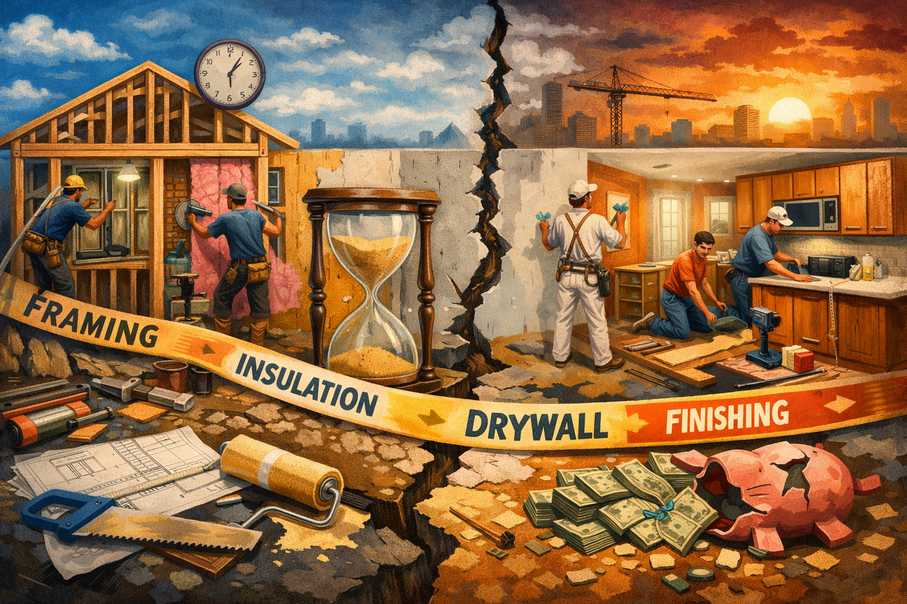 Walls rarely appear where chaos reigns. A building that rises smoothly is almost always the result of carefully timed steps rather than heroic last-minute fixes. Construction may look like a whirlwind of trucks, ladders, and power tools, but experienced builders know that progress depends less on speed and more on sequence. When work unfolds in the right order, projects stay efficient, quality stays high, and schedules avoid the dreaded domino effect of delays.
Sequencing simply means performing tasks in the correct order so each stage supports the next. It sounds obvious, yet construction sites regularly become accidental experiments in what happens when order is ignored. Install drywall before insulation, for example, and someone will soon be cutting neat rectangular holes into perfectly finished walls. Those holes are not decorative.
Framing Sets the Stage
Everything begins with framing, the structural skeleton that defines the building's shape and strength. Walls, ceilings, and floors rely on framing to determine where loads travel and where future components will live. Doors need clear openings. Windows need support. Electrical and plumbing teams need pathways through studs and joists.A well-executed framing stage makes later steps almost effortless. Measurements line up, surfaces stay straight, and materials fit as intended. Poor framing does the opposite. Crooked studs can turn drywall installation into a puzzle where nothing quite aligns, forcing installers to adjust, shim, and occasionally stare at the wall as if it personally offended them.
Builders who respect sequencing treat framing as a foundation for everything that follows. That means verifying dimensions, confirming structural connections, and ensuring layouts match the design plans before the next trade steps in. Skipping those checks saves time for roughly twelve minutes before creating headaches that last several weeks.
Insulation Before the Walls Close
Once framing and rough mechanical work are complete, insulation takes its place in the sequence. This step is often underestimated because it disappears behind finished walls, but its timing is critical.Insulation must be installed while wall cavities remain fully accessible. Workers need open spaces to place materials evenly, seal gaps, and ensure coverage around pipes, wires, and framing members. Try installing insulation after drywall and the job suddenly requires cutting, patching, and explaining to a very confused homeowner why a brand-new wall now resembles Swiss cheese.
Properly timed insulation improves more than energy efficiency. It also contributes to sound control, indoor comfort, and moisture management. When installed in the correct phase of construction, insulation quietly performs its job for decades without demanding attention. When rushed or misplaced in the schedule, it becomes a recurring source of drafts, noise, and regret.
Drywall Needs Preparation Not Improvisation
Drywall installation appears simple on the surface. Large sheets go up, seams get taped, and smooth walls emerge. In reality, drywall depends heavily on everything that happens before it.Before drywall arrives, framing must be straight, insulation must be complete, and electrical boxes must sit at the correct depth. Otherwise installers find themselves trimming edges, adjusting panels, or discovering that a light switch is now hiding somewhere behind gypsum board like a shy woodland creature.
Proper sequencing prevents those surprises. Experienced builders ensure that inspections are complete and systems are confirmed before closing the walls. Once drywall is installed and finished, every correction becomes more complicated and more expensive.
Drywall finishing also requires time between stages. Joint compound must dry before sanding and recoating. Rushing the process produces visible seams, uneven textures, and walls that reveal every imperfection under lighting. Skilled crews understand that patience at this stage protects the final appearance of the entire interior.
When the sequence holds, drywall work moves quickly and cleanly. When it doesn't, the repair crew becomes the busiest team on site.
Finishing Work Follows the Quiet Preparation
Finishing stages bring visible transformation. Trim, paint, flooring, cabinetry, and fixtures begin turning a construction site into something that resembles a home rather than an obstacle course of extension cords. Because these elements remain visible, mistakes made during sequencing tend to show themselves here with impressive clarity.Paint crews prefer smooth drywall surfaces that have fully cured. Flooring installers prefer walls already painted so they do not spend the afternoon protecting hardwood with layers of cardboard and nervous optimism. Cabinet installers need walls square and floors level. Each step quietly relies on the one before it.
When finishing trades arrive too early, projects slow down rather than speed up. Fresh paint may need to be touched up after other workers bump into walls. Newly installed flooring might require protection from ladders, carts, and gravity. Nothing motivates a contractor to protect the schedule quite like the sight of someone wheeling a cart across a floor that was installed yesterday.
Coordinating Trades Without Chaos
Construction projects involve multiple specialists working toward a shared goal. Electricians, plumbers, framers, insulation installers, drywall crews, painters, and finish carpenters all rely on clear timing. Coordination is what prevents ten workers from standing in the same room while another part of the project sits idle.Experienced builders often treat scheduling like a puzzle. Each trade has its own workflow and time requirements. Some tasks must occur back to back. Others require waiting periods. Sequencing aligns these steps so the site remains productive rather than crowded.
Strong coordination typically includes a few essential practices:
- Clear project schedules that outline when each trade should begin and finish
- Regular site inspections to confirm work is complete before the next stage begins
- Communication between contractors so adjustments can happen before problems grow
- Buffer time for inspections, drying periods, and material deliveries
When the Sequence Breaks Down
Disordered construction rarely stays hidden for long. The most common consequences appear in three forms: delays, rework, and rising costs.Delays happen because tasks must pause while earlier steps are corrected. Rework occurs when completed materials must be removed or modified. Costs climb as crews return to repeat work that should have been finished correctly the first time.
A small sequencing mistake can ripple across an entire project. Installing drywall too soon may require sections to be removed for wiring adjustments. That removal leads to patching, sanding, repainting, and additional inspections. Suddenly one early decision has multiplied into five extra tasks and a slightly exhausted project manager.
Builders sometimes joke that construction schedules are written in pencil for a reason. The goal is not perfect prediction but careful planning that minimizes surprises.
Framing the Finish Line
Successful construction rarely depends on dramatic moments. Most progress happens through steady steps performed in the correct order. Framing creates the structure, insulation protects the interior, drywall shapes the walls, and finishing work completes the environment people will actually live in.When these stages follow a thoughtful sequence, the project flows smoothly and the final result reflects careful craftsmanship. Crews move efficiently, materials fit where they should, and homeowners receive a finished space without the mysterious patches that hint something unexpected happened behind the walls.
In construction, order is not a minor detail. It is the quiet framework that keeps the entire project standing straight long before the first coat of paint dries.
Article kindly provided by konstruction.ca
Latest Articles
- The Repair-or-Replace Calculation: When an Older Computer Is Still Worth Saving
- Why Commercial Roof Problems Often Start as Access Problems
- The Cybersecurity Weakness Most Businesses Overlook
- Waste Audits for Small Businesses: The Simple Exercise That Can Cut Costs
- Why Fitness Goals Fail at Work but Succeed at Home
- The Hidden Cost of Guessing What Your Competitors Are Doing
- Why the Best Commercial Sites Are Designed Around Traffic Flow Before Appearance
- Designing Offices That Still Work Five Years From Now
- Why the Most Successful Commercial Landscapes Prioritise Function Before Appearance
- How Businesses Can Stay Operational During Major Refurbishment Works
- Near Misses: The Most Valuable Workplace Incidents You're Probably Ignoring
- Choosing the Right Lifting Method Before Choosing the Equipment
- Why Visitors Ignore Half Your Homepage Within Three Seconds
- Why Most Cybersecurity Conversations Ignore the Biggest Vulnerability: Everyday Workflow Habits
- What Your Workplace Is Communicating Before Anyone Says a Word
- Planning an Office Renovation? Why Drywall Decisions Impact More Than Just the Walls
- The False Economy of Low-Cost Protective Solutions
- The Valuable Materials Hiding in Everyday Electronics
- The Hidden SEO Asset Most Small Businesses Ignore: Why Directory Listings Still Matter
- How to Renovate Without Losing Productivity: A Smarter Approach to Workplace Upgrades
- Sales and Marketing
- Human Resources
- Finance and Accounting
- Business Consulting
- Information Technology
- Supply Chain Management
- Manufacturing and Production
- Logistics and Transportation
- Risk Management
- Project Management
- Market Research
- Business Intelligence
- Customer Relationship Management
- Product Development
- Quality Assurance
- Outsourcing Services
- Procurement and Vendor Management
- Legal and Compliance
- Business Strategy
- Operations Management
- Leadership and Management
- Data Analytics
- Innovation and R&D
- Training and Development
- Ecommerce Solutions
- Public Relations
- Advertising and Promotion
- Branding and Identity
- Business Networking
- Event Management
- Office Environment