

The Hidden Costs of Cheap Commercial Flooring
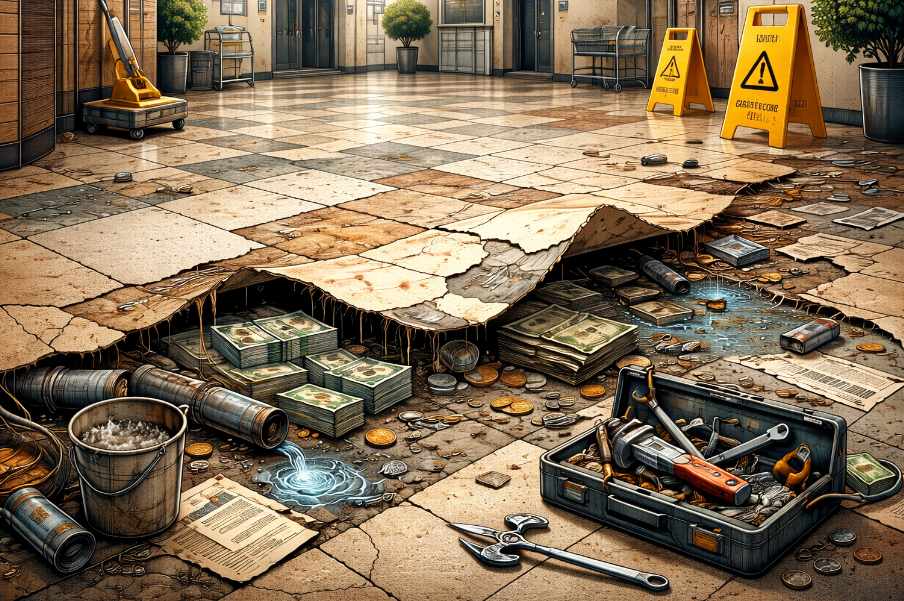 A shiny new floor can look like a triumph on installation day. The budget has been preserved, the project signed off, and the surface gleams under bright lights. Yet commercial flooring rarely reveals its true character in the first week. It waits. It absorbs foot traffic, rolling chairs, delivery trolleys, and coffee spills. Over time, the real price begins to show.
Choosing low-cost flooring for a commercial space often feels like responsible spending. Initial quotes are attractive, procurement boxes are ticked, and the numbers appear to align neatly with forecasts. What is less visible are the downstream costs that accumulate quietly.
Maintenance That Never Seems to End
Lower-grade commercial flooring typically wears faster. Thinner wear layers on vinyl, lower-density carpet fibres, and cheaper laminates show scuffs and indentations far sooner than their higher-quality counterparts.This means cleaning regimes become more aggressive. Scrubbing increases. Machines run more often. Cleaning products are used in greater quantities. Maintenance teams spend additional hours addressing marks that simply would not exist on more durable materials.
Those extra hours carry payroll costs. The cleaning chemicals add recurring expense. The surface still never quite regains its original finish. What began as a saving at installation gradually becomes a regular operational drain.
Repairs That Disrupt Business
Commercial environments rely on continuity. Offices need functional walkways. Retail spaces require uninterrupted access. Healthcare settings cannot afford unexpected closures in high-traffic areas.Cheaper flooring is more prone to lifting at seams, cracking under heavy loads, or showing visible wear patterns in busy zones. Repairing these issues is rarely seamless. Sections may need to be cut out and replaced. Furniture must be moved. Access may be restricted.
Even minor repairs create logistical headaches. Staff are diverted. Customers navigate temporary barriers. Productivity dips. These interruptions carry real financial implications, even if they never appear as a line item on the invoice.
Safety Risks That Multiply
Surface degradation is not merely cosmetic. Worn finishes can reduce slip resistance. Edges that lift slightly become trip hazards. Uneven areas develop under heavy equipment.In commercial premises, safety is not optional. A single incident can outweigh any upfront savings many times over. Legal liability, insurance implications, and reputational damage all enter the equation.
Flooring choices should consider slip ratings, durability under specific traffic conditions, and compatibility with cleaning regimes. Selecting the lowest-cost option without evaluating these factors introduces avoidable risk.
Premature Replacement
Durability is where the long-term financial picture becomes clearest. A floor that needs replacement after five years instead of ten effectively doubles its capital cost over a decade.Replacement also involves secondary expenses:
- Removal and disposal of existing materials
- Downtime during installation
- Temporary relocation of staff or stock
- Potential subfloor repairs caused by earlier wear
Not all savings are genuine savings. Sometimes they are simply delayed expenses, waiting patiently beneath a glossy surface.
Brand Perception and Visual Fatigue
Clients notice more than most businesses assume. Flooring frames every interaction. It supports reception desks, meeting rooms, showrooms, and corridors. When it begins to fade unevenly or show stubborn staining, the impression shifts subtly.Worn patches in high-traffic lanes can make a space appear older than it is. Curling edges or mismatched repair sections signal short-term decision making. While customers may not comment directly, perception influences confidence. A company that appears meticulous in presentation often inspires greater trust.
Visual fatigue also affects employees. Working daily in an environment that looks tired can dampen morale. A well-maintained, durable surface contributes to a sense of professionalism. Cheap materials that age poorly undermine that atmosphere.
False Economy in Material Performance
Not all commercial flooring is created for equal demand. Some materials are suitable for light office traffic but unsuitable for busy retail or healthcare settings. Choosing a lower specification product to reduce upfront cost often means placing it under stress it was never designed to handle.Heavy footfall, wheeled equipment, and frequent cleaning expose weaknesses quickly. Indentations form under furniture. Surface coatings wear through. Once protective layers degrade, deterioration accelerates.
A higher-grade product with a thicker wear layer or stronger backing might cost more initially, but it distributes stress more effectively. Over time, this resilience translates into fewer repairs and a longer usable life. Durability is not a luxury; it is a financial strategy.
Planning for Lifecycle Value
A more realistic approach to flooring selection considers total lifecycle cost rather than purchase price alone. Decision-makers benefit from evaluating:- Expected lifespan under specific traffic conditions
- Manufacturer warranties and performance ratings
- Maintenance requirements and cleaning compatibility
- Ease of sectional replacement if damage occurs
Flooring That Holds Its Ground
Short-term savings can feel satisfying during procurement meetings. However, commercial flooring is not a decorative afterthought. It is a structural component of daily operations.When materials degrade prematurely, maintenance intensifies, safety concerns rise, and disruptions multiply. These indirect costs rarely appear in the original budget comparison, yet they shape the true financial outcome.
Selecting flooring based solely on price risks turning an apparent bargain into an ongoing liability. By contrast, choosing durable, well-specified materials supports operational stability, safety compliance, and consistent presentation.
A floor should not become the most dramatic part of your business strategy. When chosen wisely, it does its job quietly, reliably, and without demanding constant attention. That kind of performance may not attract applause, but it keeps everything else moving smoothly from the ground up.
Article kindly provided by brighouseflooringcompany.co.uk
Latest Articles
- Why a Plumbing Company's Google Reviews Matter More Than Its Advertising Budget in 2026
- Why Business Parks Should Think Twice Before Removing Their Mature Trees
- Why the Quietest Toilet in the Building Could Be Wasting the Most Water
- Could Someone Understand Compliance Six Months After It's Written?
- How Much CNC Capacity Is Hidden in Setup Time?
- How to Test a New Freelancer Without Handing Over Your Whole Project
- From CAD File to Finished Component: How Procurement Teams Can Avoid Custom-Part Delays
- The Repair-or-Replace Calculation: When an Older Computer Is Still Worth Saving
- Why Commercial Roof Problems Often Start as Access Problems
- The Cybersecurity Weakness Most Businesses Overlook
- Waste Audits for Small Businesses: The Simple Exercise That Can Cut Costs
- Why Fitness Goals Fail at Work but Succeed at Home
- The Hidden Cost of Guessing What Your Competitors Are Doing
- Why the Best Commercial Sites Are Designed Around Traffic Flow Before Appearance
- Designing Offices That Still Work Five Years From Now
- Why the Most Successful Commercial Landscapes Prioritise Function Before Appearance
- How Businesses Can Stay Operational During Major Refurbishment Works
- Near Misses: The Most Valuable Workplace Incidents You're Probably Ignoring
- Choosing the Right Lifting Method Before Choosing the Equipment
- Why Visitors Ignore Half Your Homepage Within Three Seconds
- Sales and Marketing
- Human Resources
- Finance and Accounting
- Business Consulting
- Information Technology
- Supply Chain Management
- Manufacturing and Production
- Logistics and Transportation
- Risk Management
- Project Management
- Market Research
- Business Intelligence
- Customer Relationship Management
- Product Development
- Quality Assurance
- Outsourcing Services
- Procurement and Vendor Management
- Legal and Compliance
- Business Strategy
- Operations Management
- Leadership and Management
- Data Analytics
- Innovation and R&D
- Training and Development
- Ecommerce Solutions
- Public Relations
- Advertising and Promotion
- Branding and Identity
- Business Networking
- Event Management
- Office Environment