

Why Dry Carpet Cleaning Might Be a Better Choice for Busy Offices
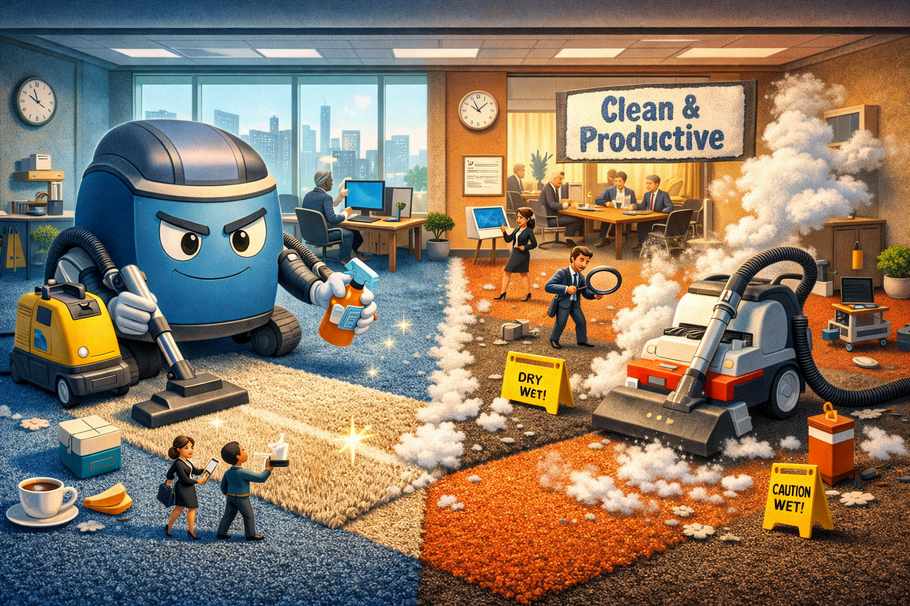 Office carpets quietly endure more than most annual reports. Coffee spills during early meetings, muddy footprints from client visits, toner dust drifting from printers, and the daily shuffle of hundreds of shoes all leave their mark. Keeping commercial flooring clean is not only about appearance; it affects hygiene, indoor air quality, and the professional impression a workspace projects. For offices that cannot afford extended downtime, dry carpet cleaning often proves to be a practical solution.
How Dry Carpet Cleaning Works in Commercial Spaces
Dry carpet cleaning, often described as very-low-moisture cleaning, relies on compounds or encapsulating solutions rather than heavy water saturation. A cleaning agent is applied to the carpet surface, then worked into the fibres using specialized equipment. The compound attracts and binds to dirt particles. After a short dwell period, the residue is removed through thorough vacuuming.Encapsulation systems are especially common in office settings. The solution surrounds soil particles with a polymer that crystallizes as it dries. Once fully dry, routine vacuuming removes the encapsulated debris. Because moisture levels are minimal, carpets are typically ready for foot traffic almost immediately. In an office where employees are not keen on detouring around damp flooring, that detail matters.
Why Offices Benefit from Low-Moisture Methods
Downtime in a workplace carries financial consequences. Conference rooms, open-plan areas, and reception spaces cannot simply close for half a day while carpets dry. Dry cleaning methods significantly reduce disruption. In many cases, cleaning can be carried out after hours with no lingering dampness by the next morning.Moisture control is another serious consideration. Excess water that penetrates carpet backing and padding can create long-term issues, particularly in buildings with limited ventilation. Trapped moisture may contribute to odours or microbial growth. For property managers and facilities teams, reducing that risk is a responsible operational choice.
There is also the practical matter of furniture. Offices are filled with desks, filing cabinets, and rolling chairs that are not easily relocated. Because dry cleaning avoids soaking the carpet, it often requires less extensive furniture movement. That spares staff from arriving to find their workspace rearranged like a poorly planned team-building exercise.
When Hot Water Extraction Is Still Appropriate
Hot water extraction remains an effective method, particularly for restorative cleaning. High-traffic corridors, entrances exposed to outdoor debris, or areas that have not been professionally cleaned in years may benefit from the deeper flush that heated water provides.This method injects hot water and cleaning solution into the carpet fibres, then extracts much of the moisture along with embedded soil. For significant staining or heavy build-up, it can produce strong results. However, the drying period can extend several hours. During that time, airflow must be managed carefully, and foot traffic restricted.
In an active office, coordinating such a process requires careful scheduling. Evening or weekend cleaning may be necessary to prevent interruption. Even then, facilities managers must ensure carpets are completely dry before employees return.
Pros and Cons in a Workplace Setting
A straightforward comparison helps clarify the decision.- Dry Carpet Cleaning Pros: Rapid drying, minimal business interruption, reduced moisture-related risks, well suited for routine maintenance.
- Dry Carpet Cleaning Cons: May not address severe deep-soiling in a single visit, certain stubborn stains may need targeted treatment.
- Hot Water Extraction Pros: Strong deep-cleaning capability, effective for heavily trafficked or neglected areas.
- Hot Water Extraction Cons: Longer drying times, greater logistical planning, potential disruption to workflow.
Flooring Without the Backlog
Choosing the right cleaning method depends on the condition of the carpet and the operational demands of the office. For many modern workplaces, maintaining a consistently clean environment without halting productivity is the priority. Dry carpet cleaning offers a balanced approach: effective soil removal combined with minimal downtime. In offices where schedules are tight and meetings do not pause for damp flooring, that balance can make all the difference.Choosing the Right Approach for Your Building
Not every office is the same. A small consultancy with light foot traffic will have very different needs compared to a multi-floor corporate headquarters with hundreds of daily visitors. Understanding usage patterns is essential before settling on a cleaning schedule or method.For example, entrance areas and lift lobbies experience concentrated wear. These zones may benefit from periodic hot water extraction to address embedded grit. In contrast, open-plan desk areas often respond well to regular low-moisture cleaning that maintains appearance without major interruption.
A sensible strategy in many commercial buildings is a hybrid approach. Routine maintenance can be handled with dry cleaning at consistent intervals, preserving cleanliness and minimizing downtime. Then, at scheduled points during the year, a deeper hot water extraction can address accumulated soil in high-traffic sections. This layered method prevents carpets from reaching the point where only an intensive clean will do.
Air Quality and Professional Image
Clean carpets contribute to indoor air quality by reducing the amount of dust and allergens circulating through HVAC systems. In offices where employees spend long hours, this has measurable impact. Low-moisture cleaning can help maintain air quality without introducing excessive humidity into the environment.There is also the matter of perception. Clients and visitors form impressions quickly. A carpet that looks worn or stained subtly undermines confidence. Maintaining a consistently clean floor surface signals attention to detail. It suggests that standards apply not just to paperwork and presentations, but to the physical environment as well.
At the same time, no one wants to greet a visitor with the phrase, "Mind the damp patch by reception." Dry methods reduce the likelihood of awkward signage or restricted walkways during business hours.
Budget, Scheduling, and Long-Term Care
Cost is always part of the conversation. Dry carpet cleaning can be more economical for regular maintenance because it requires less drying equipment and fewer hours of disruption. Shorter service windows also translate into lower indirect costs related to lost productivity.From a long-term perspective, consistent maintenance helps extend carpet lifespan. Allowing soil to remain embedded accelerates fibre wear. A predictable cleaning routine, tailored to building usage, prevents deterioration that could otherwise lead to premature replacement. In commercial settings, replacing carpet across multiple floors is a capital expense few organizations welcome.
Keeping Office Floors on the Right Track
Selecting between dry carpet cleaning and hot water extraction is not about declaring a universal winner. It is about matching the method to the building's operational reality. Offices that prioritize continuity, quick turnaround, and moisture control often find low-moisture cleaning to be the practical backbone of their maintenance plan.When deeper intervention is required, hot water extraction still plays an important role. Used strategically rather than routinely, it complements ongoing care without disrupting the daily flow of work.
In a workplace where time is carefully allocated and first impressions matter, maintaining clean carpets should support productivity rather than interrupt it. Dry carpet cleaning offers a way to keep floors presentable, schedules intact, and staff blissfully unaware that anything happened overnight—except perhaps that the office smells fresher and the coffee stains have quietly disappeared.
Article kindly provided by carpetcleaningwebdesign.co.uk
Latest Articles
- Why Commercial Roof Problems Often Start as Access Problems
- The Cybersecurity Weakness Most Businesses Overlook
- Waste Audits for Small Businesses: The Simple Exercise That Can Cut Costs
- Why Fitness Goals Fail at Work but Succeed at Home
- The Hidden Cost of Guessing What Your Competitors Are Doing
- Why the Best Commercial Sites Are Designed Around Traffic Flow Before Appearance
- Designing Offices That Still Work Five Years From Now
- Why the Most Successful Commercial Landscapes Prioritise Function Before Appearance
- How Businesses Can Stay Operational During Major Refurbishment Works
- Near Misses: The Most Valuable Workplace Incidents You're Probably Ignoring
- Choosing the Right Lifting Method Before Choosing the Equipment
- Why Visitors Ignore Half Your Homepage Within Three Seconds
- Why Most Cybersecurity Conversations Ignore the Biggest Vulnerability: Everyday Workflow Habits
- What Your Workplace Is Communicating Before Anyone Says a Word
- Planning an Office Renovation? Why Drywall Decisions Impact More Than Just the Walls
- The False Economy of Low-Cost Protective Solutions
- The Valuable Materials Hiding in Everyday Electronics
- The Hidden SEO Asset Most Small Businesses Ignore: Why Directory Listings Still Matter
- How to Renovate Without Losing Productivity: A Smarter Approach to Workplace Upgrades
- How One Day of Filming Can Become Months of Content
- Sales and Marketing
- Human Resources
- Finance and Accounting
- Business Consulting
- Information Technology
- Supply Chain Management
- Manufacturing and Production
- Logistics and Transportation
- Risk Management
- Project Management
- Market Research
- Business Intelligence
- Customer Relationship Management
- Product Development
- Quality Assurance
- Outsourcing Services
- Procurement and Vendor Management
- Legal and Compliance
- Business Strategy
- Operations Management
- Leadership and Management
- Data Analytics
- Innovation and R&D
- Training and Development
- Ecommerce Solutions
- Public Relations
- Advertising and Promotion
- Branding and Identity
- Business Networking
- Event Management
- Office Environment