

Designing Micro Workouts Employees Actually Stick To
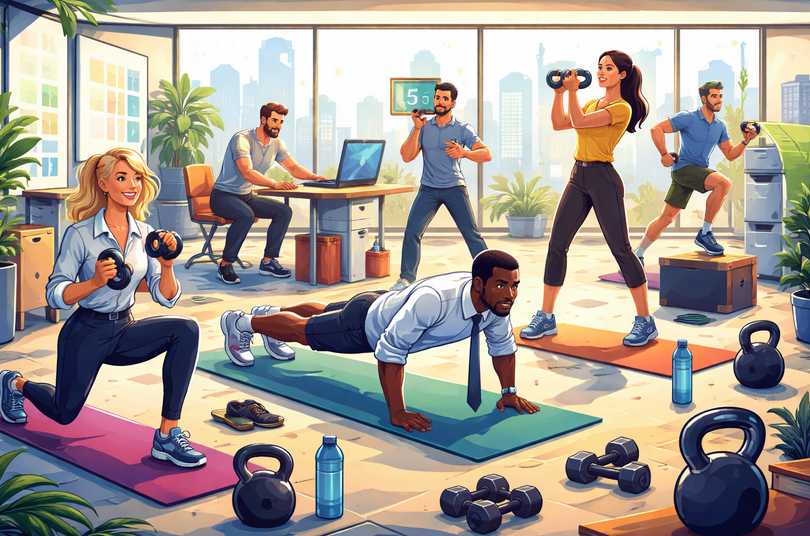 Momentum rarely appears during a one-hour calendar block labeled "optional wellness." It shows up in the five spare minutes before a meeting starts, in the quiet stretch between emails, or in the moment someone decides that standing up is preferable to becoming permanently fused to an office chair.
Micro-workouts succeed because they respect reality. Schedules are crowded, attention is fragmented, and enthusiasm for elaborate fitness plans tends to expire somewhere between the second reminder notification and the search for snacks. Short, structured strength sessions offer something different: progress without ceremony. When designed well, they remove friction instead of adding another obligation to ignore politely.
Why Short Sessions Build Real Consistency
Consistency is not a motivation problem. It is an energy management problem. Long workouts demand planning, travel, and recovery time. Micro-sessions ask only for a small decision repeated often. That difference changes participation rates more than any inspirational poster ever printed.Brief strength intervals also reduce the intimidation factor. Employees who would never sign up for a full fitness class are far more willing to try a three-minute mobility circuit or a quick set of controlled lifts. Repetition builds familiarity, and familiarity quietly turns into routine. Routine, unlike motivation, tends to stick around.
There is also measurable cognitive benefit. Short bouts of movement can sharpen focus, regulate stress, and improve afternoon productivity without the dramatic energy crash that follows heroic lunchtime workouts. Nobody wants to return from wellness feeling like they need a second wellness session to recover.
Balancing Strength and Cardio Without Overcomplicating It
Effective micro-workouts avoid complexity. A simple structure works best:- One controlled strength movement targeting major muscle groups
- A brief cardio burst to elevate heart rate
- A short mobility or posture reset to counter desk time
Overly intense programming creates the opposite effect. If employees finish a session sweaty, exhausted, and reconsidering their life choices, tomorrow's attendance will be suspiciously low. Sustainable effort wins the long game, even if it looks modest on paper.
Removing Barriers That Quietly Kill Participation
Space, equipment, and social comfort matter more than perfect programming. A routine that requires special clothing, dedicated rooms, or complicated setup will fade quickly. The most durable micro-workouts share three traits: minimal gear, small footprint, and clear instruction.Equally important is psychological safety. People are far more willing to move when they do not feel observed, judged, or recruited into an accidental competition with the colleague who owns three foam rollers and strong opinions about posture. Simplicity lowers resistance, and lower resistance keeps programs alive long enough to matter.
Sustainable workplace wellness is less about intensity and more about repeatability. Small actions performed regularly outperform ambitious plans abandoned quietly after week two. The organizations that understand this shift design movement to fit the workday instead of asking the workday to rearrange itself around movement.
Integrating Micro Movement Into the Workday
Successful programs blend into existing rhythms instead of interrupting them. Movement attached to predictable moments—before recurring meetings, after long calls, or during afternoon energy dips—feels natural rather than imposed. When participation requires no extra decision, adherence improves almost automatically.Leadership behavior also shapes outcomes. When managers visibly take part in short sessions, the signal is clear that movement is acceptable, not a distraction from "real work." Without that signal, even the best-designed initiative risks becoming a quiet calendar entry everyone intends to join someday. Someday, as history shows, is very busy.
Digital prompts can help, but restraint matters. Gentle reminders encourage action; constant notifications inspire creative skills in ignoring notifications. The goal is support, not surveillance. Employees should feel invited to move, not tracked like migrating wildlife.
Measurement should stay simple and meaningful. Instead of focusing on calories or dramatic transformation stories, organizations benefit more from tracking participation frequency, reported energy levels, and reduced discomfort from prolonged sitting. These indicators connect directly to productivity and wellbeing, which is where business value actually lives.
Designing for Long Term Adoption
Durability depends on progression without intimidation. Micro-workouts should evolve gradually—slightly more control, slightly longer holds, slightly smoother coordination. Subtle improvement keeps engagement alive while avoiding the discouragement that comes from sudden difficulty spikes. Nobody enjoys discovering that yesterday's gentle stretch has become today's surprise athletic event.Variety plays a role, but clarity matters more. Rotating a small library of dependable movements prevents boredom while preserving familiarity. Employees should recognize what to do within seconds, not spend half the session wondering which limb goes where. Confusion is rarely energizing.
Programs that invite feedback also last longer. When employees can suggest timing, difficulty, or format adjustments, the routine becomes shared rather than imposed. Shared ownership increases participation in ways policy documents never will.
Small Sets Big Returns
Micro-workouts may look modest, yet their cumulative effect is difficult to ignore. Regular movement supports posture, focus, and resilience across the workday while demanding very little time in return. For organizations, this translates into steadier energy, fewer discomfort complaints, and a culture that treats wellbeing as practical rather than performative.Grand fitness gestures often fade, but small consistent actions tend to linger. A few minutes of purposeful movement, repeated across weeks and teams, quietly reshapes how work feels inside the body. That shift—subtle, steady, and refreshingly realistic—is where lasting productivity begins to flex its muscles.
Article kindly provided by thekettlebelle.com
Latest Articles
- Why the Quietest Toilet in the Building Could Be Wasting the Most Water
- Could Someone Understand Compliance Six Months After It's Written?
- How Much CNC Capacity Is Hidden in Setup Time?
- How to Test a New Freelancer Without Handing Over Your Whole Project
- From CAD File to Finished Component: How Procurement Teams Can Avoid Custom-Part Delays
- The Repair-or-Replace Calculation: When an Older Computer Is Still Worth Saving
- Why Commercial Roof Problems Often Start as Access Problems
- The Cybersecurity Weakness Most Businesses Overlook
- Waste Audits for Small Businesses: The Simple Exercise That Can Cut Costs
- Why Fitness Goals Fail at Work but Succeed at Home
- The Hidden Cost of Guessing What Your Competitors Are Doing
- Why the Best Commercial Sites Are Designed Around Traffic Flow Before Appearance
- Designing Offices That Still Work Five Years From Now
- Why the Most Successful Commercial Landscapes Prioritise Function Before Appearance
- How Businesses Can Stay Operational During Major Refurbishment Works
- Near Misses: The Most Valuable Workplace Incidents You're Probably Ignoring
- Choosing the Right Lifting Method Before Choosing the Equipment
- Why Visitors Ignore Half Your Homepage Within Three Seconds
- Why Most Cybersecurity Conversations Ignore the Biggest Vulnerability: Everyday Workflow Habits
- What Your Workplace Is Communicating Before Anyone Says a Word
- Sales and Marketing
- Human Resources
- Finance and Accounting
- Business Consulting
- Information Technology
- Supply Chain Management
- Manufacturing and Production
- Logistics and Transportation
- Risk Management
- Project Management
- Market Research
- Business Intelligence
- Customer Relationship Management
- Product Development
- Quality Assurance
- Outsourcing Services
- Procurement and Vendor Management
- Legal and Compliance
- Business Strategy
- Operations Management
- Leadership and Management
- Data Analytics
- Innovation and R&D
- Training and Development
- Ecommerce Solutions
- Public Relations
- Advertising and Promotion
- Branding and Identity
- Business Networking
- Event Management
- Office Environment