

Blending Present-Day Hospitality With the Charm of Heritage Architecture
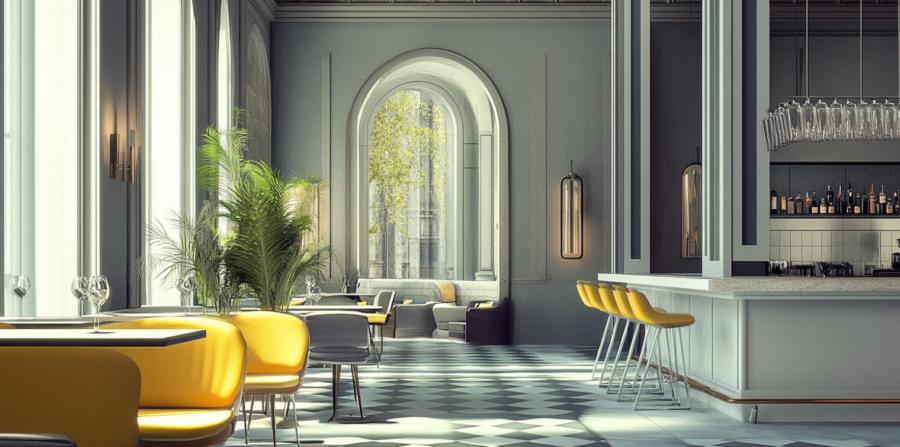 A visitor might assume the toughest part of running a dining venue is mastering soufflés, yet anyone operating in a historic building quickly learns that the real high-stakes drama often involves trying to hide a modern HVAC system without offending a century-old cornice.
Preserving Character Without Preserving Inconvenience
Running a contemporary venue in an older structure requires an almost diplomatic level of negotiation. Heritage architecture tends to have strong opinions, especially about things like rewiring and knocking holes in load-bearing walls. The aim is to keep the original features intact, but not so intact that guests must dine under lighting last seen during a Edwardian budget review.One guiding principle is to avoid irreversible changes whenever possible. It's tempting to remove an awkward pillar that photobombs every interior shot, but resisting that temptation protects both the building and your long-term sanity. Restaurateurs and hoteliers often discover that what initially seems like a frustrating quirk can become a conversation-sparking asset once the space settles into its new role.
When Modern Amenities Sneak In
Today's diners expect strong Wi-Fi, discreet ventilation, and the reliable hum of refrigeration that doesn't echo through the dining room like a confused tuba. Integrating these comforts into a heritage setting demands finesse. Sometimes it feels like convincing two stubborn relatives to share a holiday table, but the results can be surprisingly elegant.A few strategies help keep the peace between past and present:
- Use concealed conduits and wireless systems whenever feasible.
- Select colour palettes that respect existing stonework or woodwork.
- Opt for modular furniture that doesn't require heavy anchoring into antique floors.
Design That Works With, Not Against, the Story
Older interiors usually come with built-in narratives: vaulted ceilings, ornate trim, or the occasional architectural flourish whose purpose is known only to your most dedicated local historian. Trying to erase these features to create a blandly modern space seldom works. Embracing them, however, can produce an atmosphere that modern construction rarely replicates.Designers often anchor the layout around a standout period element—a dramatic window, a carved beam, the sort of stone arch that refuses to be ignored. This allows contemporary décor to play a supportive role rather than competing for attention. The result is a room where history feels present but not pushy, and guests enjoy modern comforts without feeling they must whisper out of respect for the furniture.
When Regulations Sneak Up on the Menu
Anyone drawn to the charm of a heritage venue soon discovers that regulations multiply faster than bread rolls during a busy brunch. Conservation officers, fire-safety codes, accessibility standards—each introduces constraints that may appear comically incompatible with century-old layouts. A narrow staircase that once impressed bankers with its grandeur may now be judged solely on whether a server can carry three plates down it without reenacting a slow-motion disaster scene.The trick is to engage specialists early. Structural engineers, conservation consultants, and accessibility advisors can spot issues before your plans start to resemble an architectural soap opera. Their guidance also helps ensure that modern standards don't bulldoze historic character, striking a sensible middle ground between compliance and charm.
Making Guests Feel Like Time Travelers (But Not Too Much)
Guests generally appreciate historic ambience, though most prefer not to experience the heating standards of 1890. The art lies in shaping an atmosphere that feels delightfully storied without resurrecting the draftiness that once accompanied it. Lighting is particularly powerful here. Warm, low-intensity fixtures can highlight period materials while quietly concealing necessary modern intrusions. Sound design matters too; heritage rooms often have acoustics that treat conversation like an Olympic sport in echoing.A balanced approach mixes authenticity with subtle enhancements. The building's age sets the stage, while modern adjustments ensure the experience remains comfortable rather than archaeologically accurate. Achieving that harmony reassures guests they can enjoy the romance of the past without needing survival skills from it.
Respecting the Past While Feeding the Present
Heritage venues inevitably invite bold ideas and occasional moments of questionable judgment. Installing neon signage next to a carved oak mantel may feel like a daring artistic statement, but it can also provoke the building into silent, stone-faced disapproval. When in doubt, moderation usually wins. Let contemporary elements enter the scene, but ask them to behave politely.One practical method is to choose modern accents with clean lines and subdued tones. These additions complement older surfaces rather than overshadowing them. In some cases, a single standout item—perhaps a sculptural light fitting—creates a bridge between eras without overwhelming the room's personality.
Bread, Bricks, and a Happy Ending
Running a modern dining venue inside a historical structure is a balancing act worthy of its own menu category. Every decision, from table placement to where to hide a bulky compressor, becomes a collaboration between human ambition and the architectural equivalent of a proud elder who's seen centuries of trends come and go.When executed thoughtfully, the partnership pays off. Guests relish the uniqueness of their surroundings, the building enjoys renewed purpose, and the operator earns a space that feels genuinely alive rather than cosmetically themed. The past stays present, the present stays comfortable, and no one—not even the grumpiest antique floorboard—must compromise their dignity to make it work.
Article kindly provided by thebankinstokesley.co.uk
Latest Articles
- Could Someone Understand Compliance Six Months After It's Written?
- How Much CNC Capacity Is Hidden in Setup Time?
- How to Test a New Freelancer Without Handing Over Your Whole Project
- From CAD File to Finished Component: How Procurement Teams Can Avoid Custom-Part Delays
- The Repair-or-Replace Calculation: When an Older Computer Is Still Worth Saving
- Why Commercial Roof Problems Often Start as Access Problems
- The Cybersecurity Weakness Most Businesses Overlook
- Waste Audits for Small Businesses: The Simple Exercise That Can Cut Costs
- Why Fitness Goals Fail at Work but Succeed at Home
- The Hidden Cost of Guessing What Your Competitors Are Doing
- Why the Best Commercial Sites Are Designed Around Traffic Flow Before Appearance
- Designing Offices That Still Work Five Years From Now
- Why the Most Successful Commercial Landscapes Prioritise Function Before Appearance
- How Businesses Can Stay Operational During Major Refurbishment Works
- Near Misses: The Most Valuable Workplace Incidents You're Probably Ignoring
- Choosing the Right Lifting Method Before Choosing the Equipment
- Why Visitors Ignore Half Your Homepage Within Three Seconds
- Why Most Cybersecurity Conversations Ignore the Biggest Vulnerability: Everyday Workflow Habits
- What Your Workplace Is Communicating Before Anyone Says a Word
- Planning an Office Renovation? Why Drywall Decisions Impact More Than Just the Walls
- Sales and Marketing
- Human Resources
- Finance and Accounting
- Business Consulting
- Information Technology
- Supply Chain Management
- Manufacturing and Production
- Logistics and Transportation
- Risk Management
- Project Management
- Market Research
- Business Intelligence
- Customer Relationship Management
- Product Development
- Quality Assurance
- Outsourcing Services
- Procurement and Vendor Management
- Legal and Compliance
- Business Strategy
- Operations Management
- Leadership and Management
- Data Analytics
- Innovation and R&D
- Training and Development
- Ecommerce Solutions
- Public Relations
- Advertising and Promotion
- Branding and Identity
- Business Networking
- Event Management
- Office Environment