

What Perfume Sampling Reveals About Modern Buying Behaviour
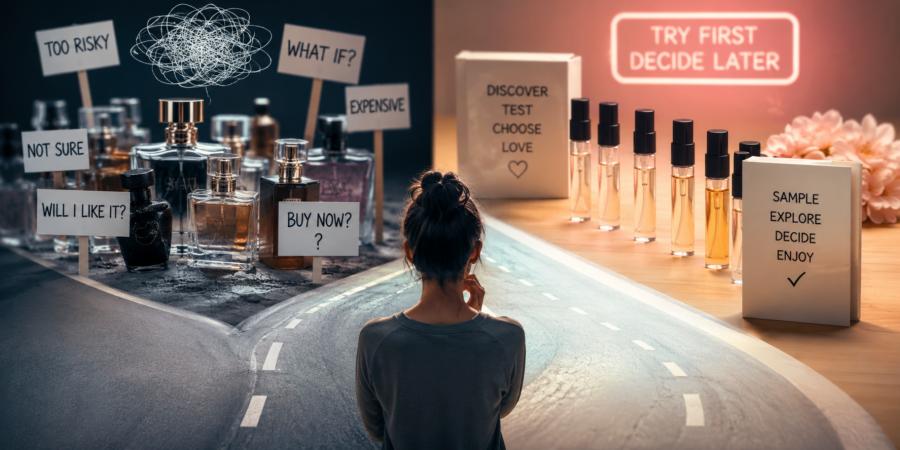 Fresh coffee, test drives, free software trials, and tiny perfume vials share a surprising mission. They exist because modern buyers have developed a complicated relationship with commitment. Few people want to leap headfirst into a purchase anymore, especially when prices are climbing and disappointment travels faster than express shipping.
Perfume sampling offers an unusually clear window into this shift. A small spray bottle may look innocent enough, but it quietly reveals how consumers now explore, compare, and delay decisions across entire industries.
Buying fragrance used to feel more decisive. Someone visited a department store, received an enthusiastic cloud of scent aimed somewhere near the wrist, nodded thoughtfully, and left with a full bottle or a mildly confused expression. Today, shoppers often prefer a slower route.
Risk Has Become Part of the Price
Modern consumers are not only evaluating products. They are evaluating risk.A full-size perfume purchase can be expensive and strangely emotional. Notes evolve over hours, chemistry differs from person to person, and a scent adored in the shop may become less charming after three days of daily use. Nobody wants to spend serious money only to discover their new fragrance reminds them of airport duty-free shops and unresolved life choices.
Sampling reduces that risk.
This pattern extends far beyond fragrance. Consumers increasingly test products before committing through:
- Free software trials
- Subscription boxes
- Freemium apps
- Limited memberships
- Short-term product rentals
- Trial-sized beauty and wellness products
For marketers and ecommerce brands, this shift carries serious implications. High-pressure selling and oversized promises are losing ground to systems that encourage exploration without immediate obligation.
Discovery Has Become a Product
Perfume sampling succeeds partly because consumers enjoy discovery itself.The sample is no longer merely a step toward buying a bottle. For many people, it is the experience.
This mirrors the rise of subscription culture. Consumers increasingly pay for access, rotation, and novelty rather than permanent ownership. Music, television, software, and even meal services follow the same logic. Variety carries value.
A fragrance sample collection reflects that mindset perfectly. Instead of committing to one scent for months, people can explore different identities and moods with minimal risk. Monday may call for something clean and understated. Friday may encourage more ambition. Tuesday occasionally demands survival.
Brands that understand this behaviour recognise a crucial truth. Discovery is not marketing decoration attached to the product. Discovery has become part of the product itself.
Decision Fatigue Has Changed Shopping Habits
Choice once sounded like an unquestioned advantage. More options meant more freedom, better personalization, and happier customers.Reality turned out to be messier.
Digital shopping environments offer extraordinary abundance, but abundance carries cognitive weight. Consumers compare reviews, scroll recommendations, examine ingredient lists, watch demonstrations, and sometimes descend into online forums where strangers debate fragrance longevity with the intensity of international diplomacy.
Perfume sampling provides relief from this overload.
Rather than deciding from descriptions alone, consumers gather direct experience. They narrow possibilities through testing rather than speculation. This process feels more manageable and, importantly, more trustworthy.
For ecommerce businesses, the lesson deserves careful attention. Customers facing overwhelming choice may not need additional persuasion. They may need clearer pathways to experimentation.
Some brands still behave as though more information automatically produces more sales. Yet endless comparison charts and exaggerated product claims can create hesitation rather than confidence. A practical trial often achieves what paragraphs of promotional language cannot.
This is especially relevant in categories where sensory experience matters. Beauty, skincare, food, fashion, and wellness products all depend heavily on personal response. Consumers increasingly expect ways to bridge the gap between digital browsing and real-world experience.
Trust Travels Through Experience
Sampling also reveals something deeper about contemporary buying behaviour: trust is becoming experiential.Consumers remain skeptical of polished advertising alone. Reviews help, influencer recommendations help, and social proof still matters, but personal experience carries unusual authority.
A fragrance sample embodies this shift neatly. The brand can describe elegance, freshness, or sophistication for several paragraphs, but the final verdict arrives from the wearer.
That principle matters for customer experience strategy.
Trust grows when businesses allow customers to verify claims independently. Product demonstrations, flexible return policies, transparent onboarding, and accessible trial experiences all support this dynamic. Customers feel less manipulated and more involved in the decision.
There is also a psychological advantage at work. When consumers participate actively in evaluating a product, satisfaction often increases. Decisions feel self-directed rather than imposed.
Nobody enjoys buyer's remorse. It is an expensive emotion with remarkable staying power and an impressive talent for influencing future purchasing decisions.
Scents and Sensibility
Perfume sampling may appear niche at first glance, but it reflects a broader cultural movement toward cautious optimism in buying behaviour.Consumers still seek quality, enjoyment, and occasional indulgence. That appetite has not disappeared. What has changed is the route people take to get there. Decisions are slower, more deliberate, and increasingly shaped by low-risk discovery.
For businesses, this creates both challenge and opportunity. Brands that treat trials and sampling as mere promotional extras may miss the wider pattern unfolding around them. Consumers are not avoiding commitment altogether. They are seeking confidence before commitment.
A small fragrance vial therefore carries a surprisingly large message. Modern buyers want room to explore, permission to compare, and evidence that supports the decision in front of them.
That shift may frustrate companies hoping for instant conversions, but it also opens the door to stronger long-term relationships. People rarely object to being sold something useful. They object to feeling rushed toward uncertainty.
Perfume sampling captures that reality with unusual clarity. Sometimes the smallest bottle tells the biggest story.
Article kindly provided by fragrancesamplesuk.com
Latest Articles
- Why the Quietest Toilet in the Building Could Be Wasting the Most Water
- Could Someone Understand Compliance Six Months After It's Written?
- How Much CNC Capacity Is Hidden in Setup Time?
- How to Test a New Freelancer Without Handing Over Your Whole Project
- From CAD File to Finished Component: How Procurement Teams Can Avoid Custom-Part Delays
- The Repair-or-Replace Calculation: When an Older Computer Is Still Worth Saving
- Why Commercial Roof Problems Often Start as Access Problems
- The Cybersecurity Weakness Most Businesses Overlook
- Waste Audits for Small Businesses: The Simple Exercise That Can Cut Costs
- Why Fitness Goals Fail at Work but Succeed at Home
- The Hidden Cost of Guessing What Your Competitors Are Doing
- Why the Best Commercial Sites Are Designed Around Traffic Flow Before Appearance
- Designing Offices That Still Work Five Years From Now
- Why the Most Successful Commercial Landscapes Prioritise Function Before Appearance
- How Businesses Can Stay Operational During Major Refurbishment Works
- Near Misses: The Most Valuable Workplace Incidents You're Probably Ignoring
- Choosing the Right Lifting Method Before Choosing the Equipment
- Why Visitors Ignore Half Your Homepage Within Three Seconds
- Why Most Cybersecurity Conversations Ignore the Biggest Vulnerability: Everyday Workflow Habits
- What Your Workplace Is Communicating Before Anyone Says a Word
- Sales and Marketing
- Human Resources
- Finance and Accounting
- Business Consulting
- Information Technology
- Supply Chain Management
- Manufacturing and Production
- Logistics and Transportation
- Risk Management
- Project Management
- Market Research
- Business Intelligence
- Customer Relationship Management
- Product Development
- Quality Assurance
- Outsourcing Services
- Procurement and Vendor Management
- Legal and Compliance
- Business Strategy
- Operations Management
- Leadership and Management
- Data Analytics
- Innovation and R&D
- Training and Development
- Ecommerce Solutions
- Public Relations
- Advertising and Promotion
- Branding and Identity
- Business Networking
- Event Management
- Office Environment